Best Types of Supplements for Women’s Health

Women have different nutrient needs compared to men. No, we are not trying to be special snowflakes, we go through a lot of changes during just one lifetime.

Think about it month to month, our hormones (and maybe mood?) cycle from high to low.

There is also pregnancy, lactation, and menopause to consider, all of which have different nutrient needs.

Our nutrition and supplement regimen needs to be tailored to whatever life stage we are in.

So, when you see a “women’s” supplement, don’t think that it is special just because of the pink bottle it might come in, the ingredients are usually also tailored to our different needs.

Helpful Supplements for All Women

All humans need the same vitamins and minerals to be healthy. But, depending on where a woman is in her life cycle she may need more or less of a specific nutrient to support that current phase.

Supplements, therefore, should be tailored based on current nutritional needs.

Let’s explore a few supplements that all women need, no matter where they are in life, then discuss a few age-specific ones to consider.

Multivitamin

A multivitamin is the “insurance policy” of the supplement world. It fills in the gaps where your diet might be missing.

Even as a dietitian, it is hard for me to have a perfect diet every day that meets every micronutrient need. But, it is important to keep in mind that multivitamins will never replace real food. Instead, they should be seen as an addition to an already healthy diet.

There is no standardization for what multivitamins need to include, some have a lot of different nutrients, while others only have a few. There are thirteen vitamins and sixteen minerals that are essential to human health. In general, most multivitamin formulations will contain most or all of these nutrients in varying quantities.

Research is mixed on the long-term impact of multivitamins as they do seem to reduce the risk of some health conditions, but not others.

A 2006 review of twelve studies found that multivitamin use lowered the risk of certain types of cancer, stroke, and age-related vision loss in some of the studies. But, the results were not consistent across all studies or population groups. Another challenge with this review was that the formulation of each multivitamin differed study to study, so it was difficult to compare one result to the other.

Overall, it is still unclear exactly which nutrients should be included in an ideal multivitamin.

How to take a Multivitamin

Since our diets are not always perfect, a multivitamin can be useful at any age. Several options on the market are “tailored” to age groups such as pregnant or older women. These age-specific formulations contain varying levels of different nutrients.

For example, pregnant women need more folic acid than those who are not pregnant and post-menopausal women need less iron.

Multivitamins made for each age group or life stage should take these nutritional needs into account.

When choosing a multivitamin, select one that matches your current life stage, if it is available. This will prevent you from getting nutrients you don’t need and making sure you are getting the ones you do.

Another thing to consider is the type of nutrients each contains. The content of each formulation can vary greatly between products, but a rule of thumb is to avoid formulas that contain over 100% Daily Value of the fat soluble vitamins E, D, K, and A or any of the minerals. These nutrients can be toxic at high levels.

Speak to your doctor if you need personalized nutrient recommendations before you choose a multivitamin.

Calcium

You might associate taking calcium supplements with something older adults do, but calcium benefits women of all ages.

Bone strength peaks during our teen years, making calcium even more important for younger women.

Women in general need to be particularly concerned with bone health. Of those diagnosed with osteoporosis, or weak bones, 80% are women. The increased risk of osteoporosis is due to the fact that women have smaller, weaker bones than men and the decrease in estrogen that occurs at menopause speeds up bone loss.

Based on these risk factors, all women should be concerned about getting enough calcium to keep bones strong.

But, calcium may help younger women in a different way. A 2017 study found that supplementing with 500 mg of calcium per day significantly decreased PMS-related anxiety, mood changes, bloating, and depression. Naturally reducing PMS-symptoms is a great motivation for any woman to consider a calcium supplement.

The Recommended Dietary Allowance for women is 1000-1200 mg/day of calcium per day, depending on age. A cup of milk has about 300 mg of calcium, so as you can see there is a lot of room for supplementation.

How to Take Calcium

There are several types of calcium supplements available. Calcium carbonate is the cheapest and contains the most elemental calcium. Calcium carbonate is best absorbed with food, so take it with a meal.

Be sure to choose a supplement that also contains vitamins D and K to help with absorption. Avoid taking iron with your calcium supplement, as calcium prevents iron absorption.

If you are pre-menopausal, a supplement may be necessary if your diet is lacking calcium due to lactose intolerance or a dairy allergy. If you are vegan or consume large amounts of protein, you may also need additional calcium supplement. If you struggle with PMS, a calcium supplement can help ease some of the symptoms.

Most post-menopausal women should take supplemental calcium to help maintain bone strength.

If you are taking a multivitamin in addition, be sure to check the label to make sure you aren’t getting too much calcium.

Probiotics

Maintaining a healthy digestive system is the secret to long-term well-being. Women tend to be at greater risk for digestive problems due to hormonal changes they experience month to month and throughout life.

Digestive issues can be the first step in developing other health problems. The reason is our health is strongly connected to the trillions of tiny microbes that exist in the digestive tract. The microbiome, or collection of bacteria in the gut, plays a role in the development of almost every disease state from obesity to depression to diabetes.

Probiotics are one way to help maintain a healthy digestive tract. They are particularly recommended if one is having digestive symptoms, such as constipation, diarrhea, gas, or bloating.

Antibiotics can also kill off healthy bacteria in the gut, so a probiotic supplement should be considered both during and after treatment.

How to take Probiotics

There are many types of probiotic supplements on the market and unfortunately, since the study of the microbiome is relatively new, specific recommendations for strains or dosages are not currently available.

We do know that strains like Bifidobacterium, Lactobacillus and Saccharomyces have been shown to improve gut health and most supplements contain one or all of these.

But, there are a few things you can look for when choosing a probiotic.

The first thing are CFUs or “colony forming units”, this number should be between 10 and 20 billion for adults.

In addition a quality probiotic should be in a bottle that is protected from light and heat, although some a freeze dried and shelf-stable.

Finally, be sure to use the supplement before the expiration date to ensure the most benefit.

Omega-3s

Omega-3 fats are “essential” fats that we must get from our diets. They are also highly anti-inflammatory and have been studied extensively for their health benefits.

There are three types of omega-3 fats, EPA, DHA, and ALA. They are found in foods like fish, walnuts, and flaxseeds.

Most people do not get enough omega-3s in their diet, therefore a supplement is recommended.

Omega-3 fats are healthy for everyone, but are particularly beneficial for the specific concerns of women. Omega-3s reduce inflammation which can in turn decrease PMS-related pain almost as much as ibuprofen. Taking omega-3s regularly can improve symptoms of depression and anxiety. They can even make your skin look better by reducing acne and wrinkles.

How to Take Omega-3s

When choosing an omega-3 supplement you want to be sure it contains EPA and DHA, they types of omega-3s that have been shown to have the most health benefit. Fish oil or algal oil supplements are a good choice to get both EPA and DHA.

The recommended total amount of omega-3s per day for women is 1.1 grams per day. There is no specific recommendation for EPA and DHA alone, although supplements ranging from 250-1000 mg/day seem to be safe for most people.

Speak to you doctor if you are taking a blood thinner before starting an omega-3 supplement.

Women in their 20s and 30s

Women in this age range are considered to be of “child-bearing age”. Regardless of whether you plan to have children or not, nutrition needs to be focused on supporting monthly hormonal cycles.

Also, women of this age may have a lot of demands on their time between work, kids, and relationships, so stress support may be an additional concern.

Here are some of the supplements that are ideal for younger women trying to manage it all.

B-Vitamin Complex

B-vitamin complex is a supplement that contains all eight of the essential vitamins. B-vitamins are needed to help maintain a healthy metabolism, hormone production, and stress management.

Getting enough B-vitamins can help combat fatigue and boost the production of feel-good neurotransmitters in the brain.

How to take B-vitamin Complex

Most B-vitamin Complex supplements will contain varying amounts of: B1, B2, B2, pantothenic acid, B6, biotin, B12, and folic acid. The amount of each vitamin you need can vary, so be sure to choose a supplement that matches your specific needs.

All of these vitamins are water soluble, so the risk of toxicity is low, the body will just excrete what it doesn’t use.

Most supplements come in doses ranging from 300-500 mg and can sometimes contain additional nutrients or minerals.
Iron

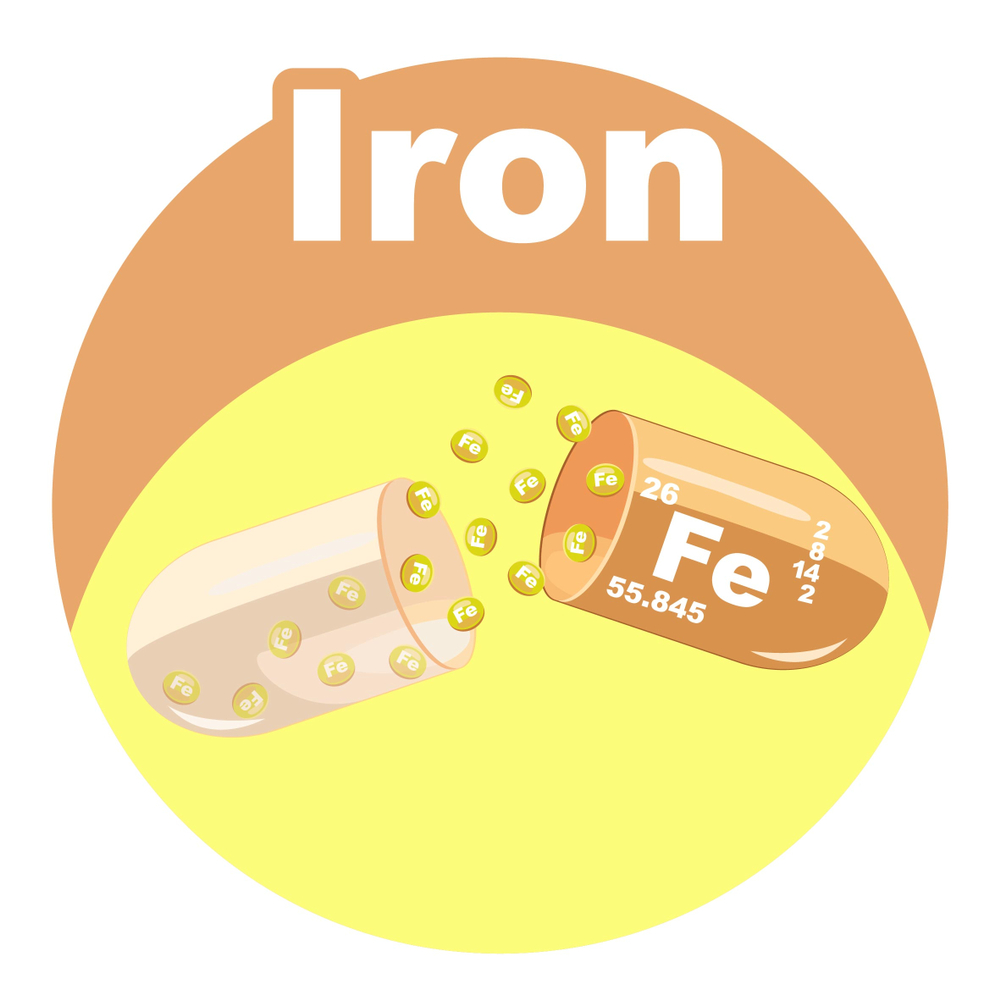
Iron is an important mineral for all women, but primarily those of child-bearing age. It is used to make hemoglobin and myoglobin, two proteins used to carry oxygen.

Women in their 20s and 30s are at risk for iron deficiency, also called anemia. Symptoms of anemia include fatigue, weakness, and shortness of breath. Monthly blood losses combined with an inadequate intake of high iron foods increases the chance of anemia.

But, it is important to note that supplemental iron should not be used unless a deficiency is identified by a blood test first.

How to Take Iron

The RDA for iron for women is 18 mg/day. If you do have an iron deficiency, your doctor will recommend the ideal amount and type of iron you need to take.

Iron supplements can cause constipation and other digestive problems, although there are “tummy sensitive” formulations available.

Calcium or foods high in calcium such as milk should not be taken with iron.

If you have not been diagnosed with an iron deficiency, yet you think you might be low in iron, you can try eating more high iron foods instead of taking a supplement.

Iron is found in red meat, fortified cereals, beans, nuts, seeds, and legumes. Always eat high iron foods with a food high in vitamin C, such as citrus, bell peppers, or strawberries.

Vitamin C

With all the demands on women in their 20s and 30s, the last thing they can afford to do is get sick. Vitamin C can help boost the immune system, keeping it strong, so you can tackle your to-do list.

Vitamin C also has antioxidant properties that can help reduce damage from free radicals, slowing down aging and even preventing wrinkles.

How to take Vitamin C

Vitamin C is commonly found in fruits and vegetables. It is relatively easy to meet basic vitamin C needs with just your diet, but if it’s cold or flu season you might want to take a little extra.

The RDA for vitamin C is 75mg per day for women. The upper limit is set to 2000 mg per day.

There is little risk for toxicity with this vitamin since it is water soluble. High doses may cause digestive problems, such as bloating and diarrhea, which generally resolve once the supplement is stopped.

Pregnancy

Pregnancy is a special time for nutrition because it’s not just about you anymore, you are concerned about the health of two people now.

There are many supplements that are not recommended during pregnancy because there is simply not enough evidence to determine their safety. If you are pregnant it is best to ask your doctor for the ideal supplement regimen for you.

But, it is widely accepted that folate is a necessary nutrient for all women who are trying to conceive or those who are already pregnant.

Folate or Folic Acid

Folic acid, the synthetic form of the B-vitamin folate, helps prevent birth defects of the brain and spinal cord. Most doctors recommend women take a supplement containing folic acid or folate before trying to get pregnant to help reduce the risk of these complications.

The connection between folate levels and birth defects was discovered in the 1950s. In the 1970s, started recommending prenatal vitamins with folic acid to help reduce the risk.

Many of our foods, particularly cereals, are fortified with folic acid for the same reason. Rates of spinal cord defects have decreased since these preventive measures were put into place.

How to take Folic Acid

Folic acid is a water soluble vitamin, therefore your body will excrete it if it is not needed. The RDA for folate is 600 mcg during pregnancy.

Most prenatal vitamins contain adequate amount of folic acid to meet the needs of pregnant women.

There is a rare type of genetic mutation that may decrease the ability of the body to use folate properly and increases risk for birth defects, speak to your doctor if there is a history of birth defects in your family.

Menopause and Beyond

Older women in menopause have different nutrient concerns from pre-menopausal women.

Managing decreasing hormone levels (and the hot flashes or other symptoms that may arise), as well as maintaining bone health are the two biggest priorities.

There are many supplements that can help women transition more easily into this final life cycle.

Turmeric

Turmeric is a yellow spice common in Indian cuisine. It contains a powerful antioxidant called curcumin that helps reduce inflammation and risk of many chronic diseases.

Curcumin is especially powerful for menopause because it is a phytoestrogen, meaning it can act as an estrogen in the body. This can help alleviate common menopause symptoms, such as hot flashes, mood swings, and sleep disorders, by slowing the decrease in estrogen.

How to Take Turmeric

Turmeric is usually found in capsules or powders. It can also be used in food as a spice, although it is not quite as concentrated this way, but it sure tastes good.

The powder can also be used to make tea or “golden” milk.

The World Health Organization recommends 1.4 mg per pound of body weight, meaning a 150 pound adult should take around 210 mg of turmeric a day.

Vitamin D

Vitamin D is different from other vitamins in that our bodies can make all the vitamin D we need from sun exposure. But, as we age, we tend to spend more time indoors and we also become less efficient at making vitamin D from the sun.

Low levels of vitamin D have been linked to multiple diseases from breast cancer to diabetes and high blood pressure. Vitamin D is also critically important for helping maintain bone health.

Making sure older women are getting enough vitamin D, either from the sun or supplements, is an important part of staying healthy into old age.

How to Take Vitamin D

The recommended amount for vitamin D is between 600-700 IU a day, although some experts suggest this number may be too low due to wide-spread deficiencies.

Ask your doctor for a personalized recommendation for you. If you want to be sure you need vitamin D, ask your doctor for a blood test before starting a supplement.

As a woman, based on where you are in your life cycle, your supplement needs can vary. Be sure to choose the best supplements for you so you can live your healthiest life, long into old age.

Vitamin D

Vitamins are substances that your body needs to grow and develop normally. Vitamin D helps your body absorb calcium. Calcium is one of the main building blocks of bone. A lack of vitamin D can lead to bone diseases such as osteoporosis or rickets. Vitamin D also has a role in your nerve, muscle, and immune systems.

You can get vitamin D in three ways:

through your skin, from your diet, and from supplements.

Your body forms vitamin D naturally after exposure to sunlight. However, too much sun exposure can lead to skin aging and skin cancer. So many people try to get their vitamin D from other sources.

Vitamin D-rich foods include egg yolks, saltwater fish, and liver. Some other foods, like milk and cereal, often have added vitamin D.

You can also take vitamin D supplements. Check with your health care provider to see how much you should take. People who might need extra vitamin D include:

* Seniors

* Breastfed infants

* People with dark skin

* People with certain conditions, such as liver diseases, cystic fibrosis and Crohn’s disease

* People who have obesity or have had gastric bypass surgery

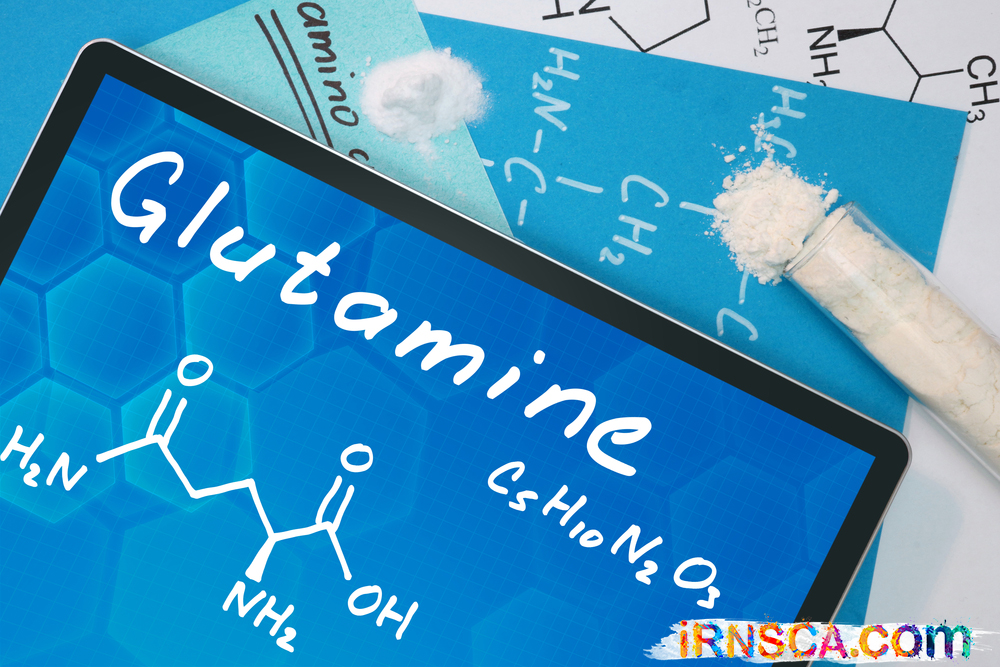
Frequently Asked Questions About Glutamine Supplementation

What Are Glutamine Supplements?

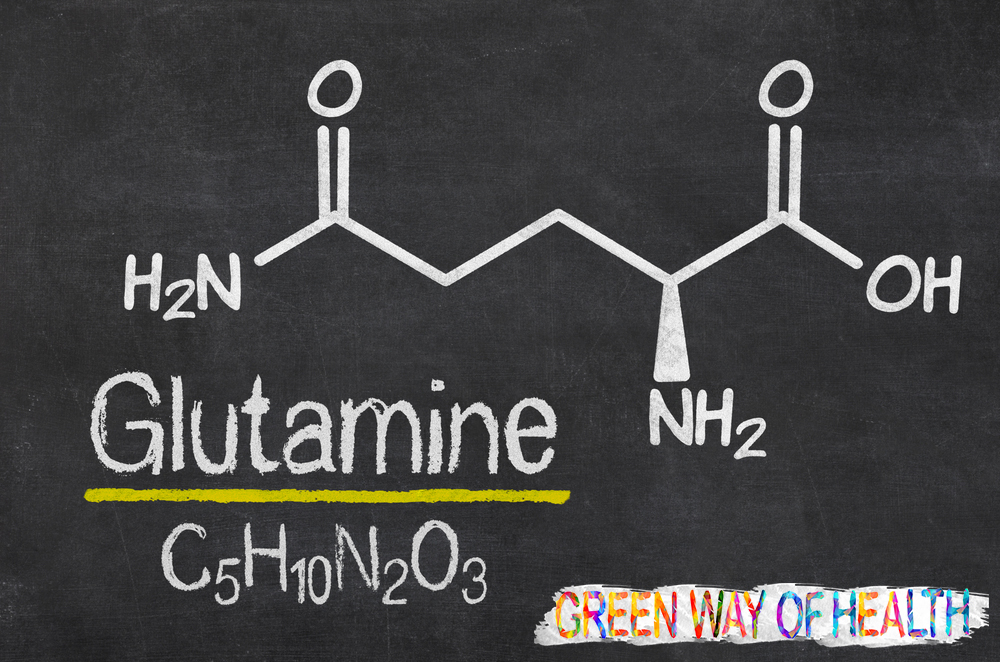
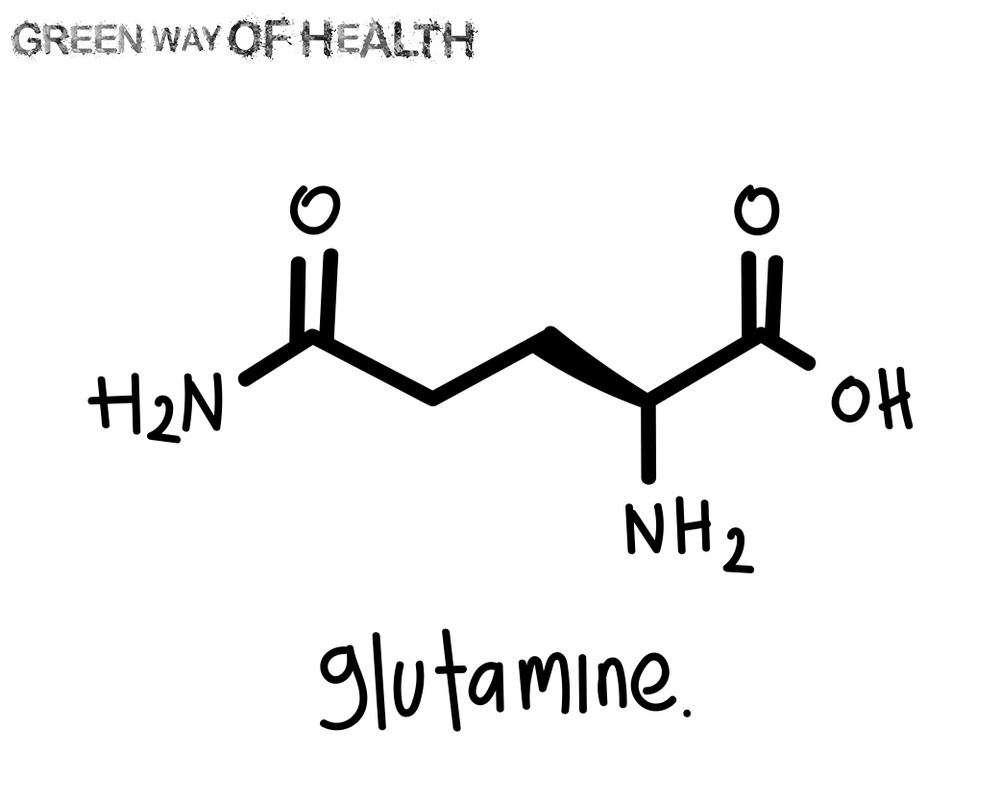
They are products containing the amino acid L-Glutamine.

Glutamine is the most common amino acid found in your muscle tissues, and it plays a key role in the health of your muscles.

All amino acids, including glutamine, are considered “the building blocks for proteins”. Simply put, amino acids are compounds that combine to form proteins, and proteins are what allows our bodies to build and maintain muscle.

And since L-Glutamine is the most prevalent amino acid found in muscle tissue (over 60% of skeletal muscle is made up of L-Glutamine), the relationship between glutamine and healthy muscles has been the subject of a many study.

The amino acid plays a role in protein synthesis, the process your body goes through in order to effectively use protein. It also has anti-catabolic properties.

All the many benefits of glutamine, which we will discuss in detail below, are offered by both the naturally occurring amino acid (produced naturally in your muscles), and the glutamine supplements we’re here to talk about today.

So, if L-Glutamine is produced naturally in the body, why do you need supplements?

Because during intense exercise, glutamine stores are burnt up, lowering your natural glutamine levels. Your levels will slowly come back to normal, but that can take several days.

By adding a glutamine supplement to your diet, you can immediately replace those lost nutrients, thereby speeding recovery and keeping your muscles happy.

What Are the Benefits of Glutamine?

Some potential glutamine uses include:

Immunity

Glutamine plays an important role in the functioning of our immune systems. It serves as a fuel source for white blood cells, which help toward off disease and infection.

If the body needs more glutamine than is being consumed or produced naturally, it may begin to break down muscles to access protein stores of glutamine.

Also, it’s thought that the proper functioning of the immune system may be compromised when the body does not have access to sufficient levels of glutamine.

Thus, the relationship between glutamine and immune system health is closely linked.

However, most studies have looked at critically ill patients, and/or patients who have sustained serious injuries. There is little evidence to suggest that glutamine may boost immune function in otherwise healthy individuals.

More research is needed.

Wound healing

Glutamine is important for immune function, but it appears to be even more key when a serious wound, burn or other trauma is sustained. After a major injury, blood levels of glutamine tend to increase, potentially resulting in a depletion of glutamine stores.

For this reason, many medical professionals subscribe glutamine supplements following a serious burn or other wound.

Intestinal health

Glutamine also plays a role in our intestinal health. It is an energy source for many of the immune and intestinal cells that line our guts.

By supplying these cells with energy, glutamine helps to protect the health of your intestinal and immune systems. It’s therefore important for the normal maintenance and growth of intestinal cells.

Glutamine can also help strengthen the barrier between the inside of the intestines and the rest of the body.

This barrier is key because it helps prevent harmful toxins and bacteria from escaping the gut and entering the rest of the body.

Post-workout recovery

Some research suggests that glutamine may help to decrease muscle soreness after intense exercise and may also help to improve recovery.

However, other studies have contradicted these findings.

More research is needed.

Exercise performance & muscle growth

Because glutamine is a building block of protein, some have speculated that it may be involved in muscle gain and/or exercise performance. However, these effects have not been shown in clinical science.

One six-week study showed no difference in the glutamine group compared to the placebo group.

More research is needed.

Overall, glutamine supplements are well studied for several potential uses. Their applications in supporting immune and gut health are particularly well documented but their potential effects on exercise and muscle building need more research.

Who Can Benefit From Glutamine?

These groups may benefit from supplementing l-glutamine:

* Weightlifters the #1 group of people who should be taking glutamine are bodybuilders and weightlifters. As we mentioned before, the muscles naturally produce and store large amounts of L-Glutamine. However, during intense exercise, these stores are depleted. Supplementation can quickly and efficiently replace these levels, restoring a natural balance. Glutamine can help decrease post-workout recovery time, and ensure that your muscles have what they need to heal and rebuild.

* Runners/endurance athletes – anyone who likes to run long distances or compete in any sort of endurance sports can benefit from glutamine. First off, glutamine products can help your muscles recover faster. Also, the amino acid has been shown to strengthen the immune system. Endurance sports temporarily weaken your immune system, so it’s important to do all you can to support your immune health if you like to run marathons or complete similar endurance activities.

* Anyone looking to lose weight – glutamine has been shown to increase HGH secretion, which can help to burn more fat, both during exercise and rest periods. It may also help to reduce sugar and carb cravings in some individuals.

* Men & womenboth men and women can experience significant glutamine benefits. Unlike some supplements, these are not gender-specific, and can be beneficial for most people. Generally, we do not recommend taking ANY sort of supplement if you’re under 18 or without talking to your doctor first, but other than that most people can benefit from proper supplementation.

Are there Any Side Effects of Glutamine?

Most, if not all, supplements have some sort of negative side effects that you should be aware of.

Glutamine is no exception.

Side effects to look out for:

* Gastrointestinal issues, including gas, nausea, vomiting, etc.

* Muscle or joint pain

* Headaches, dizziness or tired feeling

* Mild rash or itching

This is not a complete list, as many potential side effects are possible depending on your body and the other medications/supplements you are taking.

Lastly, those with kidney disease or liver disease should generally NOT take glutamine supplements. Speak to your doctor if you’re unsure.

As with any supplement, it’s important to follow dosing instructions and never take more than recommended.

How Do I Take Glutamine?

If you’re wondering how to take glutamine or when to take glutamine supplements, this is the section for you.

First off, we always recommend following the instructions listed on the product packaging, at least when it comes to quantity. Do not exceed the daily recommended amounts unless otherwise instructed by a doctor.

As for when to take glutamine supplements, that depends on your reason for using them.

If you’re a weightlifter or athlete, a good time to take your dose is 30-60 minutes after working out, to help quickly replenish lost glutamine stores.

Another good time is right before bed, and right after waking up. Before bed is ideal because you increase HGH production while sleeping, and upon waking your muscles have been without nutrients for a solid 6+ hours.

If you’re wondering about glutamine dosage, most products list the serving size as around 5 grams.

Some fitness writers recommend taking 20-30g of glutamine a day. We don’t recommend you immediately begin taking such large doses, but rather work up slowly.

Also, you won’t need as much on days you don’t workout, so keep that in mind. It is not recommended to take more than 30g a day in order to stay on the safe side.

Lastly, keep in mind that L-Glutamine is commonly added to various fitness supplements, including pre-workouts, post-workouts, and more.

When calculating how much you should take, consider where else you may be getting this amino acid from.

And to clarify, we urge you to always speak with your doctor before taking any supplements featured on this website.

How Do I Pick a Good Glutamine Product?

In order to find the most effective glutamine supplement for you, there are several factors to consider. Let’s explore the things you should look for when choosing a product.

* Amount of glutaminefirst things first, take a close look at the label of the product you’re considering to determine the amount of glutamine in each serving. Most products will contain a 5g serving size, while some are put into capsules and have smaller sizes (1g). Obviously the amount is important, as L-Glutamine is the key ingredient in these supplements.

* Other ingredientswhat else is in the product? Many glutamine supplements will only contain L-Glutamine, but other products may contain a blend of ingredients intended to help boost the benefits of the supplement. BCAAs and other amino acids are common additions. Keep these extra ingredients in mind when making your decision. Depending on your needs and the current supplements you’re already taking, you may or may not need a product with additional ingredients.

* Brand qualitywho makes it? Are they a well known and respected company? Do some research to determine who you’re buying from and what kind of company they are!

* Flavor some products are flavorless, some are flavored. Pay attention to this, as it may affect your desire to actually consume the product! If in doubt, go with a flavorless version, or a version that’s prepackaged in capsules. Otherwise, read glutamine reviews to determine how people like the taste of various products.

* Value for moneylastly, consider the cost of the supplement. More specifically, consider the per serving cost of each supplement you’re considering. It’s not enough to just check the price of the container itself, as the number of servings per package varies greatly. Find a good, high quality product at a reasonable price, and you’re good to go!

HMB (Intermittent fasting)

Can you shed body fat while holding onto muscle mass? If you supplement correctly, you can.

Intermittent fasting is one of the fastest growing diet trends for fat loss. However, it generally means going 12 to 24 hours without ingesting calories of any kind. Millions of people have benefited from the rapid weight loss associated with intermittent fasting, but when you restrict nourishment, especially without protein or amino acids for hours, you run the risk of elevating cortisol (a catabolic hormone) and putting the body in a state of catabolism — potentially endangering your hard-earned gains.

One familiar product, however, could very well be your key to avoiding undue muscle loss. A recent study published in the British Journal of Nutrition suggests that β-hydroxy-β-methylbutyrate — commonly known as HMB free acid (HMB-FA) — may be an ideal supplement for those who partake in intermittent fasting.

HMB, found in foods like avocado, alfalfa, catfish and citrus fruits, is an active anabolic metabolite of the essential branched-chain amino acid leucine, which resides in all human muscle cells.

In the aforementioned study, researchers from Texas Tech University assessed the effects of HMB-FA supplementation on catabolism (muscle breakdown), cortisol release, testosterone and resting energy expenditure during a period of acute fasting. Eleven healthy men and women participated in the double-blind placebo-controlled experiment, during which they received either an HMB-FA supplement or a placebo during a three-day meat-free diet, followed by a 24-hour fast.

Interestingly, markers of catabolism were unaffected by acute fasting, so there was no observed impact of HMB on muscle breakdown. However, with HMB supplementation, the fasting cortisol response was blunted by a whopping 32 percent, with no effect evident in the placebo group. In males, testosterone-to-cortisol ratios increased 162 percent from 0 to 24 hours of fasting with HMB-FA, mainly because of reductions in cortisol.

Action Point: If you’re using intermittent fasting as a dieting strategy or if you just want to keep cortisol levels in check, it seems that HMB-FA might provide some supplemental support. According to research, the best dose for HMB is 38 milligrams/kilograms of body mass daily (about 17 milligrams/pounds of bodyweight), split into three equal doses. Take one dose 30 to 60 minutes before training, another immediately after training and another with a meal. On rest days, take your three doses with breakfast, lunch and dinner. You’ll notice the greatest effects of HMB after two weeks of supplementation and chronic consumption is deemed safe.

Exercise preserves muscle

If you lose 4.5 kg of body weight, you may be lighter, but if 2.3 kg of that loss are muscle, you sure won’t be stronger, and your performance can suffer. Appearance-wise, you can still look flabby when muscle tissue is lost. Exercise is one of the best ways to make sure you are shedding weight from fat stores rather than from muscle stores. Researchers have put this principle to the test. In a study of 10 overweight women, half of the women were placed in a diet-plus exercise group and half of the women in an exercise-only group. The women in the first group followed a diet that reduced their calories by 50 percent of what it took to maintain their weight, and they worked out aerobically six times a week.

The women in the exercise-only group followed the same aerobic exercise program but followed a diet designed to stabilize their weight. After 14 weeks, it was time to check the results. Here is what happened: Both groups lost weight. But the composition of that loss was vastly different between the groups. In the group that dieted and exercised, the weight lost was 67 percent fat and 33 percent lean mass. In the group that only exercised, the women lost much more fat—86 percent fat and only 14 percent lean mass! Not only that but RMR declined by 9 percent among the dieters, whereas it was maintained in those who only exercised.

What does all this tell us? Sure, you can lose weight by low-calorie dieting. But you risk losing muscle. Also, your metabolic rate can plummet, sabotaging your attempts at successful weight control. With exercise and a nonrestrictive diet, you preserve calorie-burning muscle and keep your metabolism in gear.

Lift Heavy to Get Lean

The greater the EPOC, the more total calories burned and the more potential fat loss.

When it comes to torching body fat and staying lean, what really counts is maximizing the number of calories burned after the workout (at rest), not during it — the concept of excess post-exercise oxygen consumption (EPOC), or “afterburn” for the layperson.

The greater the EPOC, the more total calories burned and the more potential fat loss. That said, it appears heavy weights provide a great afterburn.

One study showed that EPOC was higher in subjects who did low-rep sets of 80 to 90 percent of their one-rep max than it was in subjects who did sets of 15 reps at 50 percent of 1RM.

The take-home here: Incorporate relatively heavy sets in the five- to six-rep ballpark on a regular basis in addition to the hypertrophy sweet spot of eight to 15 reps. Both ranges are great for promoting muscle gains and keeping the fat off your physique.

Exercise hikes your fat burning after exercise. Scientists call this condition excess postexercise oxygen consumption, or EPOC. The more oxygen you use, the more fat you are likely to burn. We have known for years that all kinds of exercise can raise what I call your afterburn, the amount of oxygen you use for recovery, which can translate into the amount of fat calories you burn after exercise. The key has been to understand what kinds of exercise raise this value the highest for the longest period of time. The answers have been coming fast and furious, and the winner for how high EPOC can go is clearly high intensity interval training, known as HIIT.

With HIIT, your workouts will be shorter, but you’ll actually be working out at a higher intensity than when you are doing steady exercise on the cardio machines at your gym. Basically, you work out in intervals—bouts of all-out effort at a rate of 80 to 90 percent of your maximal heart rate (MHR), alternated with short stretches of active recovery. You can do any kind of high-intensity exercise to meet the guidelines of HIIT all-out effort training (e.g., sprinting outside on a track, working out inside on a rowing machine, using a stationary bike or treadmill, or even performing plyometrics) for one to two minutes. On a 1 to 10 scale of perceived exertion, your high-intensity training should exceed a level of 7. Active recovery can be the same activity but at a lower intensity (e.g., from a sprint on a track to a jog, from a twominute hill climb on an indoor bike to a three-minute flat at a level of 4 or 5, or from intense plyometrics to squats, sit-ups, and push-ups). This cycle is repeated for about 20 minutes. Plenty of research shows that HIIT is a super-effective way to burn fat.

Studies show that your afterburn rate rises exponentially with an increase in intensity during exercise. This is in contrast to a linear increase in afterburn as exercise duration increases. While steady state exercise at high intensity burns a higher EPOC compared to moderate intensity aerobic exercise or circuit training, high-intensity interval training leads to higher oxygen consumption per time during exercise, which results in the highest EPOC, afterburn. The length of afterburn has not been consistent among studies, ranging from 30 minutes to 4 hours, depending on the fitness level of the subject and the intensity and number of bouts of the training session. The more fit you are, the greater the physical challenge, but the very short duration of HIIT also limits the duration of EPOC, despite its high peak value.

And here’s something else: HIIT is a great way to burn belly fat. In a study from the University of Virginia, researchers recruited 27 middle-aged, obese women with metabolic syndrome (a prediabetic condition) and had them complete one of three 16-week aerobic exercise interventions: no exercise training (control); low-intensity exercise training (LIET); and HIIT. At the end of the experimental period, HIIT had significantly reduced total abdominal fat, and there were no such changes in the control or LIET groups. This is not to dissuade you from doing moderate-intensity training, endurance training, or circuit training. Testing has shown that if you measure calories burned during exercise, a longer duration exercise session or even a steady state high-intensity exercise session will likely burn more calories. Cumulatively over time this may lead to more total calories burned. But if your time is limited and you need to be efficient with your training, the short duration of HIIT won’t decrease your calorie-burning potential; you make some of it up in the afterburn. It’s also a great way to change up your training and add variety, which keeps you interested and more likely to stick with exercise daily. If you want to know what muscle groups create greater EPOC, just think about what it takes to recover from a leg/glute/lower body day compared to an arm/chest/upper body day. That’s your clue to the fact that working big muscles like glutes create a higher afterburn than working smaller muscles likes biceps and chest. (Believe me, I’m not judging your chest or biceps!) The big picture here is that exercise variety promotes all kinds of improvements in fitness and strength, speed, and power. Changing up your routine and adding in HIIT protocols on short days can make a big a difference to your cross-training and body-sculpting goals. Now let’s add in a little discussion about diet and HIIT, to demonstrate how recovery feeding can bump up your fat burn. Scientists in Japan wanted to know if HIIT would enhance the increase in oxygen consumption that comes from eating food, called the thermic effect of food (TEF). Ten subjects spent multiple 24-hour sessions in a metabolic chamber. HIIT exercise consisted of six or seven bouts of 20-second bicycle exercise (intensity: 170 percent V∙O2max) with a 10-second rest between bouts. HIIT was always preceded by 10 minutes of exercise at 50 percent V∙O2max. On two separate days, four subjects were fed lunch and dinner and EPOC was tested with and without exercise. Six different subjects fasted and were studied on two separate days with and without exercise. The researchers’ main finding was that HIIT enhanced a small but significant increase in diet-induced (fed) TEF during the 10.5 hours after exercise, with no comparable increase with feeding but without exercise. Eating is part of your daily routine. If you get in a HIIT workout before you eat, you capitalize on your fat-burning potential. That’s an entirely new benefit from your recovery shake or meal, so don’t skip it thinking that you’ll lose more weight. That’s like leaving money on the table!

Create Your Own Supplement Stack

Branched-Chain Amino Acids

Goals: Increased strength, focus, energy, muscle building, decreased catabolism

BCAAs are the essential amino acids leucine, isoleucine and valine. They are called “essential” because the body cannot manufacture them, thus they must be acquired in the foods and supplements we ingest.

BCAAs make up a large proportion of the total amino-acid content in skeletal muscle, and during exercise, they are readily broken down (catabolized) to produce energy. Taking BCAAs before, during and after training ensures that the blood has an abundance of essential aminos necessary to fuel your workout and support recovery. Taking BCAAs preworkout and intraworkout conserves your muscle BCAA stores, increases fatigue resistance, protects the body from catabolism and decreases recovery time.

The BCAA leucine boosts the release of the anabolic hormone insulin. You want insulin levels to be rapidly elevated after your workouts because this hormone carries nutrients such as glucose and amino acids into muscle cells — promoting greater protein synthesis and muscular gains. Remember, for the greatest results, make sure that each serving of your BCAA supplement has at least twice as much leucine as isoleucine and valine (i.e., at least 2:1:1, leucine:isoleucine:valine ratio).

What are they? BCAAs are the essential amino acids leucine, isoleucine and valine, which share a unique branched-chain structure (hence their name) and are stored in muscles. They’re considered “essential” because our bodies cannot produce them, so they must be taken in through the diet.

How do they help you refuel and recover? During heavy training, the body takes BCAAs from active muscles to be used as energy — a catabolic process. Refueling with BCAAs immediately after exercise boosts blood levels and shuts down catabolism. In addition, taking BCAAs provides the body with surplus leucine, which turns on anabolism and supports heightened protein synthesis. The anti-catabolic and anabolic support offered by BCAAs helps speed recovery and boost muscle growth.

Creatine

Goals: Energy (ATP), strength, power, anabolism

The research supporting creatine as a strength and muscle builder is undisputable. Creatine taken preworkout is rapidly taken up and stored in skeletal muscle where it provides much-needed high-energy creatine phosphate to supply muscles with the substrates to quickly make ATP (energy for contraction). Having elevated creatine stores available in working muscle promotes dramatic increases in strength and power during explosive and extended performances, with less time needed for rest.

When taken after exercise, creatine monohydrate can replenish and boost muscle creatine stores. Having extra creatine around after training not only provides energy substrates for future exercise bouts but also promotes greater protein synthesis (into recovery) by physical and hormonal mechanisms. First, it increases the amount of water taken up by muscle cells — which swells the muscle and signals for increased repair. (It also makes your muscles look bigger.) Second, it increases the production of insulin-like growth factor-1 and decreases myostatin levels (the “anabolic brakes”) during recovery from heavy training.

Beta-Alanine

Goals: Increased exercise intensity and volume, power, strength gains

In skeletal muscle, beta-alanine reacts with histidine to produce carnosine. Beta-alanine is the rate-limiting substrate in the formation of carnosine; thus, when it is supplemented adequately, it elevates

muscle carnosine levels. Research shows that just four weeks of beta-alanine supplementation can increase muscle carnosine levels by more than 60 percent. Elevated muscle carnosine increases exercise performance through its ability to reduce skeletal muscle acidity during prolonged high-intensity exercise. Since fatigue during heavy exercise is exacerbated by the accumulation of acidic metabolic byproducts, it makes sense why increased intramuscular carnosine levels would be beneficial to bodybuilders and strength athletes alike. Research has shown that stacking beta-alanine with creatine can significantly improve exercise endurance performance.

Formulation: Preworkout 2 to 3 grams; postworkout 2 to 3 grams

Citrulline

Goals: Vasodilation (increased blood flow to exercising muscle), muscle pump, energy

This amino acid also helps prevent muscle fatigue because it assists in production of energy by increasing the rate of phosphocreatine and ATP production. Citrulline converts to arginine (the precursor to nitric oxide) in the body and optimizes blood and nutrient delivery to working muscles.

Once L-citrulline is in circulation, it is converted to L-arginine by the kidneys, leading to increases in blood levels of L-arginine and nitric oxide. Recent research indicates that citrulline supplements increase blood levels of arginine and nitric oxide more effectively than arginine ingestion. Increased production of nitric oxide promotes vascular dilation, which helps support blood delivery and metabolic waste removal throughout the body. It’s this nitric-oxide-potentiating effect that gives L-citrulline supplements their pump-promoting properties. Beyond creating incredible pumps, a single preworkout dose of citrulline was recently shown to combat exercise-induced fatigue, increase time to exhaustion and substantially decrease muscle soreness.

Although this may sound like a logical approach, ingesting L-arginine does not boost blood arginine levels as well as pure L-citrulline. This is because the gut and liver contain enzymes called arginases, which serve to break down and eliminate exogenous arginine. So, because of these arginases, L-citrulline is more efficacious in elevating blood arginine and NO than arginine itself. In fact, a study presented in 2006 illustrated that acute ingestion of L-citrulline elevated plasma arginine levels by approximately 227 percent (within four hours of ingestion) compared to only 90 percent with the equivalent dose of arginine.

Formulation: Preworkout 2 to 3 grams; intraworkout 2 to 3 grams

Caffeine

Goals: Energy, focus, intensity, increased exertion

Although caffeine stimulates the central nervous system, its effects on energy levels go far beyond its energetic buzz. Many studies show that preworkout caffeine supplementation dampens perceived exertion and muscle pain during exercise and into recovery. As such, many find that preworkout caffeine promotes higher workout intensity and volume, resulting in greater gains in a shorter time.

Formulation: Preworkout 200 to 300 milligrams; intraworkout 100 to 200 milligrams (optional)

Your workout window should be split into three supplemental periods: preworkout, intraworkout and postworkout. Here are the critical time periods.

Preworkout: 30-60 minutes before training

In the hour before training, you should be priming your internal environment for work. This means optimizing your mind and body with the right macronutrients and supplements necessary to maximize performance.

In a shaker, mix 10 to 20 grams of your favorite whey protein isolate or blended protein supplement in 12 to 16 ounces of water. Leave some room in the shaker cup because you will be adding the rest of your preworkout ingredients to this shake. Whey protein contains high levels of essential amino acids, which serve to keep blood amino acids high at the onset of exercise.

Intraworkout: 10-20 minutes into training

During your workout, you want to assure that your body and mind are full of key substrates needed to fuel your workout. In fact, there are key amino acids (like glutamine and branched-chain amino acids), micronutrients and electrolytes that can be depleted because of increased metabolism and sweating associated with exercise. Proper fueling during this period will ensure that you sustain your workout intensity from start to finish.

In a shaker, fill with 12 to 16 ounces of your favorite electrolyte sports drink (can be sweetened with sugar or sugar-free — depending on goals). You will mix your intraworkout supplements in this drink and sip it while you are on the gym floor. This cocktail is designed to replenish lost electrolytes and substrates needed to push you through your workout. There are quite a few powders on the market that you mix with water, or simply use a ready-to-drink electrolyte beverage like Gatorade or Gatorade G2.

Postworkout: Immediately after training

Immediately after you train, your body’s internal environment is optimized for nutrient absorption. As such, immediately postworkout is the perfect window to provide macronutrients and supplements that replenish what was lost, for greater gains in recovery, muscular development and performance.

Protein

Amino Acids

Both muscle and milk contain all the naturally occurring amino acids, and thus meat and dairy products are valuable foods (both have high biological value, and dairy sources have higher values). The most abundant amino acids in muscle are the three branched-chain amino acids (BCAAs), leucine, valine, and isoleucine, which together account for 20% of the total amino acids found in muscle protein. Both meat and dairy protein have high BCAA content.

Athletes at Risk of Insufficient Protein Intake

People with extremely low protein intakes may suffer from protein deficiency, which can compromise function and ultimately lead to loss of body protein (atrophy). Certain groups of athletes are primarily recognized as being at risk from protein and energy deficiency: female runners, male wrestlers, boxers and other athletes in weight category sports, ski jumpers, male and female gymnasts, and female dancers. Although protein intake for these groups may be adequate on average, certain people within these groups may have protein intakes well below the RDA due to low energy intake.
Another group that has been suggested to be at risk is vegetarian athletes. Plant food
sources typically contain lower-quality proteins that have low levels of one or more
essential amino acids .

In addition, the digestibility of plant protein can be low compared with animal protein. Although some concern exists that vegetarian athletes may struggle to meet the protein requirements, the evidence for this is lacking, and adequate protein intake seems possible through a balanced vegetarian diet.

Amino Acid Metabolism

The metabolism of most amino acids is linked to the metabolism of other amino acids, and some amino acids can be synthesized from other amino acids. This feature is especially important in conditions of limited dietary protein intake or when metabolic requirements increase. Some amino acids are essential and are not synthesized in the body, whereas others can be synthesized in the body (nonessential amino acids) .
Amino acids are involved in a variety of biochemical and physiological processes, some of which are common to all and some of which are highly specific to certain amino acids.
Amino acids are constantly incorporated into proteins (protein synthesis), and proteins are constantly broken down (protein degradation or breakdown). The vast majority of the amino acids in the body are
incorporated into tissue proteins, but a small pool of free amino acids also exists (about 120g of free amino acids are present in the skeletal muscle of an adult). Amino acids are constantly extracted from the free amino acid pool for synthesis of various proteins, and breakdown of protein makes amino acids available for the free amino acid pool.

Timing of Protein Intake

The timing of food intake after exercise is important to the balance between protein
synthesis and protein degradation. Studies have investigated protein ingestion immediately after exercise, 1 or 3 hours after exercise, or before exercise. In one study by Tipton et al. (2001), volunteers ingested 6 g of essential amino acids plus 35 g of carbohydrate immediately before and immediately after completion of an intense leg resistance exercise bout. Amino acid uptake seemed to be greater when the nutrients were ingested before the exercise bout than immediately afterward, but the anabolic response was similar in magnitude for both preexercise and postexercise feeding. This study suggested that the anabolic response to exercise and amino acid and carbohydrate ingestion is greater with preexercise ingestion versus immediately postexercise, and it was suggested that the observed differences were likely related to the delivery of amino acids to the muscle. Free amino acids ingested before exercise may result in increased amino acid delivery (because of increased blood flow to active muscles during the exercise session) and lead to superior amino acid uptake compared with amino acids ingested after exercise. However, this study was performed with essential amino acids. When some of these studies were repeated with whey protein (and no carbohydrate), the difference between feeding before a bout of resistance exercise and after was not evident. The current consensus is that ingesting protein soon after exercise (within approximately 1 hour after exercise),
which is more practical than preexercise protein consumption, is the best way to increase net protein synthesis postexercise.

5 Best Types of Supplements for Your Brain

Functions of the Brain

The brain is one of the most complex organs in the body. To name a few, the brain is responsible for your cognition (reading, writing, learning, thinking), your movement (walking, coordination), your senses (hearing, vision), and controlling fundamental bodily functions (breathing, heartbeat, blood pressure, etc.).
Signs of brain fog, memory loss, and fatigue are all symptoms of overload. Long-term poor brain health can lead to many concerns, including cognitive impairment and dementia. Cognitive decline can be seen by changes over time in the brain. These changes include tissue damage, increased risk of genetic conditions, reduction in energy production, and inflammation.
There may be many reasons as to why you are suffering from lack of brain power. Regardless of the “why,” our brain health is important and the steps you take to maintain a healthy brain can help lead you to living a longer and fuller life.

5 Everyday Supplements Your Brain May Be Missing

omega-3

The body can synthesize certain fatty acids, however, it cannot synthesize polyunsaturated omega-3 fatty acids due to the lack of certain enzymes in the body that produce alpha-linoeic acid (ALA).

When the body is unable to synthesize a certain nutrient, it becomes categorized as “essential.” Therefore, it is recommended to incorporate dietary sources rich in omega-3 fatty acids, as well as considering supplementation.
ALA is the precursor for eicosapentaenoic acid (EPA) and docosahexaenoic acid (DHA). DHA is responsible for optimum neural and visual functions. DHA and EPA also help in the process of lowering triglyceride levels and play a key role in inflammatory processes. Meaning, these nutrients may help to reduce overall inflammation in the body, especially in individuals who suffer from inflammatory diseases.
The Research
Studies show an inverse relationship between the consumption of omega-3 fatty acids and frequency of depression. The same is true for Alzheimer’s disease. Consumption of omega-3 fatty acids may be linked to reducing the risk of this disease and is suggested to slow down symptom progression of those with Alzheimer’s.
A 2016 study evaluated the effects of omega-3 fatty acid on learning memory and formation. For 26 weeks, 44 individuals aged 50-75 years either consumed 2200 milligrams per day of omega-3 fatty acids or consumed a placebo.
Researchers found that the recall of object locations was significantly better after supplementation compared with those who took the placebo. Therefore, their memory had improved after supplementing with omega-3 fatty acids.
Sources, Deficiencies, & Side Effects
Dietary sources of EPA and DHA include mackerel, sardine, tuna, and algae. ALA is found in dark green leafy vegetables, flax seed oil, chia seed oil, eggs, meats, walnuts, and hazelnuts.
If you do not consume these foods regularly, you may be missing out on adequate omega-3 fatty acid intake. A deficiency is rare, but may cause rough, scaly skin and a red, itchy rash.
The recommended daily allowance (RDA) of omega-3 fatty acid has not been established. However, most studies supplement omega-3 fatty acids between 500 milligrams to three grams per day.
Side effects of too much omega-3 fatty acids should also be noted. Omega-3 fatty acids, in excess, may cause bleeding problems, affect immune function, and/or cause GI distress.
The U.S. Food and Drug Administration recommends no more than three grams per day of EPA and DHA combined, including up to two grams per day of dietary supplements. Individuals taking Warfarin should discuss omega-3 fatty acid supplementation with their doctor prior to taking.
Summary
Omega-3 fatty acids play an important role in anti-inflammation in our bodies. Supplementation of these fatty acids may help to improve memory and mood and may even help to reduce cognitive decline in aging.

Caffeine

Caffeine, an ergogenic aid, has been well studied. Grabbing a cup of coffee is one of the most common solutions to fixing that mid-day brain fatigue.
Consumption of caffeine enhances dopamine (DA) in the brain. Dopamine is responsible for our daily behaviors; what we eat, how we learn, and our addictions. Low dopamine levels may result in depression, fatigue, and changes in mood.
The Research
A 2015 study evaluated the effects of caffeine as a psychoactive substance. Twenty healthy male subjects consumed a 300-mg dose of caffeine, which reflects caffeine consumption in two to three cups of coffee. A second observation was done with the same 20 male subjects consuming a placebo, without caffeine.
The subjects were asked to describe their mood; if they were alert, tired, sleepy, or moody. These subjective measures were taken before the study and at two intervals (30 min and 120 min) after the placebo and caffeine administration.
This study found a significant higher self-report of ‘alertness’ at both 30- and 120-minute intervals. Researchers also saw a significant reduction in sleepiness at 120 minutes compared to the placebo group.
Other studies have found that caffeine may improve an individual’s attention and productivity. A significant relationship was observed with caffeine consumption ranging from 40 mg to 280 mg and improved speed and accuracy, as well as improved focus.
Sources, Deficiencies, & Side Effects
The most common sources of caffeine include coffee and tea. However, you may be surprised to find there are other foods and beverages we encounter in our daily diet that also contain caffeine. This includes decaf coffee, sodas, non-cola sodas, chocolate, ice cream (chocolate or coffee flavors), energy waters, energy drinks containing alcohol, energy drinks, and some pain relievers.
The amount of caffeine may vary in each of these items, but it is still important to note caffeine can be found in other items besides coffee and tea.
There are no deficiencies associated with caffeine as caffeine is not essential to our body. However, those who consume an excess amount of caffeine for a prolonged period of time may experience withdrawal symptoms.
It appears that up to 400 milligrams of caffeine a day can be safe for most healthy adults. This would equate to 4 cups of brewed coffee. Side effects with consumption greater than 400 milligrams may experience migraine headaches, insomnia, irritability, restlessness, frequent urination, fast heartbeat, and more.
Caffeine consumption may interact with certain medications and herbal supplements. Also, caffeine can affect some medical conditions. It is recommended to discuss potential interactions and/or concerns of caffeine intake with your doctor prior to consumption.
Summary
One to two daily cups of coffee may help to improve fatigue, attention, and focus. If you are drinking more than this amount, it is highly recommended you reduce your caffeine intake.

B Vitamin Complex

The B vitamins are essential for normal physiological functions. There are eight B vitamins which include thiamine (B1), riboflavin (B2), niacin (B3), pantothenic acid (B5), vitamin B6 (pyridoxine) biotin (B7), folate (B9), and vitamin B12 (cobalamin).
Each B vitamin plays their own role in the body. A few responsibilities of B vitamins include converting food into energy, production of red blood cells, DNA production, creation of neurotransmitters, and regulation of gene expression.
The Research
B complex vitamins contain all eight B vitamins. This supplement has shown to reduce fatigue and improve alertness.
A 2010 study evaluated the effects of a high-dose B vitamin complex on psychological functioning. For 33 days, cognitive performance, mood, and fatigue were assessed in 215 full-time employed males (30 to 55 years).
Researchers found that this population of healthy males may benefit from supplementing with B vitamin complex. Improved levels of stress, mental health, and cognitive performance were found during intense mental processing.
Other studies have found that supplementation of folic acid and related B vitamins helped to reduce brain atrophy. Furthermore, optimal intake of B vitamins can be associated with improved cognitive health while aging and may be crucial in maintaining brain health.
Sources, Deficiencies, & Side Effects
Most often, you do not have to worry about a deficiency, unless you are following a diet that significantly reduces consumption of all B vitamins. A deficiency in certain B vitamins result over an extended period of time as these vitamins are water soluble.
The most common deficiencies of the B vitamins would be from vitamin B12. This deficiency could be from reduced absorption, post weight loss surgery, digestive disorders (Celiac disease or Crohn’s disease), or from following a vegetarian or vegan diet.
Side effects of vitamin B12 deficiency may include feeling tired and weak, constipation, loss of appetite, weight loss, and megaloblastic anemia. Numbness and tingling in your extremities may also occur.
There can also be side effects associated with taking a vitamin B complex. This is not common, especially if you are taking the supplement correctly. However, the following side effects may still occur, such as dizziness, frequent urination, change in the color of urine, black stools, constipation, diarrhea, nausea and vomiting, abdominal pain, and redness or irritation of the skin.
There is no recommended dosage of B vitamin complex to consume, however, each B vitamin has their own recommended daily allowance. It is important to discuss supplementation of vitamin B complex with your doctor prior to taking.
Summary
Supplementing with a B vitamin complex may help to reduce stress and boost mental health and cognitive performance.

Vitamin C

Vitamin C, another water-soluble vitamin, is unable to be synthesized in the body. Therefore, this vitamin is essential to our diet.
Vitamin C is involved in biosynthesis of collagen, L-carnitine, and other neurotransmitters. This vitamin is also needed for protein metabolism. Vitamin C is mostly known as an antioxidant and has been shown to regenerate alpha-tocopherol (vitamin E). Antioxidants reduce the damaging effects of free radicals in the body. Lastly, vitamin C aids in immune function and improves absorption of nonheme iron.
As you can see, Vitamin C is essential to our diet as it plays many important roles in our bodies.
The Research
In 2017, a study observed the correlation between vitamin C concentrations in men and women compared to metabolic health and cognitive impairment. Researchers observed lower levels of cognitive impairment in those with the highest plasma vitamin C concentrations. These subjects with optimal plasma vitamin C were also found to be in better health (low BMI, normal weight, less risk of disease) compared to those with lower levels of vitamin C.
Other research has found that higher level of vitamin C concentrations are usually demonstrated in the cognitively intact groups compared to cognitively impaired groups. Researchers theorize this may be due to the antioxidant properties. However, more research should be conducted on the direct relationship between vitamin C supplementation and brain health.
Oxidative stress can occur when cells cannot adequately destroy the excess free radicals. This can cause damage to lipids, proteins, and DNA and can lead to a higher risk of degenerative and chronic diseases. Adequate consumption of antioxidants can help to reduce oxidative stress, therefore, reducing risk of certain diseases.
Sources, Deficiencies, & Side Effects
The best sources of vitamin C include fruits and vegetables, specifically citrus fruits. Vitamin C is also widely fortified in many foods. The next time you eat or drink something that has a label, check the nutrition facts to see if vitamin C has been added to the product.
The RDA for vitamin C is 90 mg for adult men and 75 mg for adult women.
Deficiencies may occur in those who smoke or experience secondhand smoke. This is because smoking increases the need for more vitamin C to repair damage caused by free radicals. A smoker will need to increase their daily vitamin C consumption by 35 milligrams. A prolonged deficiency may result in scurvy, but is not common in the U.S.
Other deficiencies may occur in those that have a limited diet or have certain medical conditions that cause severe malabsorption.
Side effects of taking too much vitamin C include diarrhea, nausea, and stomach cramps.
Summary
Vitamin C can be a great supplement to take to help maintain brain cognition and fight aging processes, such as oxidative stress.

Vitamin D

Vitamin D is a fat-soluble vitamin that can be synthesized in the body endogenously from ultraviolet rays from sunlight through our skin. However, amount of daily sun exposure, where you live, and other factors can affect Vitamin D synthesis.
Vitamin D has many responsibilities in the body. This vitamin aids in absorption and maintenance of calcium (bone health), cell growth, neuromuscular and immune function, and reduction in inflammation.
Most importantly, emerging research has been finding links between adequate vitamin D status and brain cognition.
The Research
Vitamin D’s active form has shown to have neuroprotective effects on clearing amyloid plaque, which is a characteristic of Alzheimer’s disease. Several studies have found an association between low levels of vitamin D and Alzheimer’s disease and dementia.
More research is needed to clearly define vitamin D’s role in preventing or treating Alzheimer’s disease.
A study in 2015 evaluated the association between vitamin D status and change in cognitive function in a diverse older adult population. Researches found that lower vitamin D status was associated with accelerated decline in cognitive functions, especially in those who had a higher risk of vitamin D insufficiency.
Another study found cognitive improvements in older adults supplementing with vitamin D after one to 15 months. Researchers suggest that most populations can benefit from vitamin D supplementation, not just to maintain brain health, but perhaps to restore it.
Sources, Deficiencies, & Side Effects
Dietary sources of vitamin D include fatty fish (salmon, tuna, mackerel), beef liver, cheese, egg yolks, and fortified foods and beverages (breakfast cereals and milk).
Nowadays it is common to be deficient in vitamin D due to less sun exposure as most individuals are sitting in offices during prime-time hours of ultraviolet rays. Also, geographical location and inadequate dietary intake of vitamin D containing foods will also put you at risk for a deficiency.
A deficiency in vitamin D can lead to rickets in children and osteomalacia in adults. Osteoporosis is a bone condition that can occur as you get older with insufficient intake of vitamin D and calcium.
Too much vitamin D may cause nausea, vomiting, poor appetite, constipation, confusion, and problems with your heart rhythm.
The RDA for vitamin D for men and women ages 19-70 years old is 600 IU. However, today you will see your doctor prescribe a megadose of vitamin D if you are deficient. Discuss the dosage of vitamin D with your doctor prior to taking.
Summary
Vitamin D may be helpful in maintaining cognitive function in healthy adults and may even help older adults improve some cognitive impairment.

Making the Right Decision

Every day new information appears on the internet influencing our decisions to follow a healthy lifestyle. Often, we are overwhelmed and misled with information speculating what we should eat or drink to help live a longer and healthier life. Sometimes it is hard to filter through all the information and decipher the truth.
Rest assured that the nutrients above are evidenced based and have been researched many times over. In fact, more research is needed to assess the direct relationship between each nutrient and how the nutrient impacts our brains’ daily functions.
Thankfully there are a few steps that you can take to start improving your brain power and quality of life now. A few would include making any necessary changes to your diet, incorporating some of the dietary sources listed above, and supplementing a nutrient when appropriate.
Also, it is important to note that all diets are not created equal. If you are following a diet that restricts certain food groups, it is important to discuss these changes with your doctor and ask about appropriate supplementation.
When used correctly, supplements can be a great addition to your diet, especially when it comes to improving and maintaining your brain health.

Caffeine

Caffeine is one of the most widely used supplements in the world, especially among tactical groups. It is a central nervous system (CNS) and metabolic stimulant used to reduce feelings of fatigue and to restore mental acuity. Many studies have demonstrated the exercise performance–enhancing effects of caffeine. The traditional hypothesis is that caffeine increases the levels of fight-or-flight chemical messengers, including epinephrine and norepinephrine, which promote fat utilization and result in the sparing of intramuscular glycogen. Furthermore, there are strong data to support the use of caffeine for enhancing mood, vigilance and focus, energy, and marksmanship all important components of tactical performance. The benefits of caffeine have been repeatedly shown, especially in military personnel. The Committee on Military Nutrition Research and the Food and Nutrition Board have accepted that 150mg of caffeine will increase endurance and physical performance among military personnel. Additionally, a dose of 200 mg has been shown to improve focus and vigilance during a shooting task, despite 72 hours of continuous sleep deprivation. Also, successive caffeine intake (four 200 mg doses over 24 hours) in the late evening and early morning aided in maintaining cognitive function over a three-day period with minimal sleep. In addition, caffeine may help tactical athletes by positively influencing their psychological state and altering their pain perception. Research has shown caffeine supplementation to result in reduced rating of perceived exertion during constant load exercise, which may translate to improved training volume and thresholds during military tasks. The risk of caffeine at appropriate doses is low, while the benefits are high. However, it is suggested that athletes take an initial dose of 3 mg/kg body weight to test for caffeine sensitivity. The overconsumption of caffeine from a variety of sources, such as chewing gum with coffee, soda, and blended supplements, causes adverse effects in tactical personnel, so care should be taken to assess all caffeine sources. Of interest to tactical personnel, cycling from high to low (or no) caffeine intake may increase physiological sensitivity.

Key Points About Caffeine

Doses of 200 mg consumed 30 to 60 minutes before exercise appear to be most effective for physical and e performance.

• Caffeine may enhance fat oxidation and spare carbohydrate, which may improve performance.

• Evidence suggests that a beneficial effect from caffeine can be achieved with a dose of 1.4 to 4.0 mg/lb (mg/0.5 kg) body weight. This would equate to 266 to 760 mg for a 190-pound (86 kg) person.

• Overconsumption of caffeine can result in negative side effects.

• To date, the largest amount of caffeine ingested by tactical personnel in controlled studies was 800 mg (consumed in four divided doses of 200 mg) over a 24-hour period, with no adverse effects in caffeine-naive and caffeine-habituated Special Forces personnel.