The Body Will Give You These 7 Signs,If Your Kidney Is In Danger

For your health, the kidneys are essential because they detoxify and cleanse the body by filtering 10-150 quarts of blood in a day.

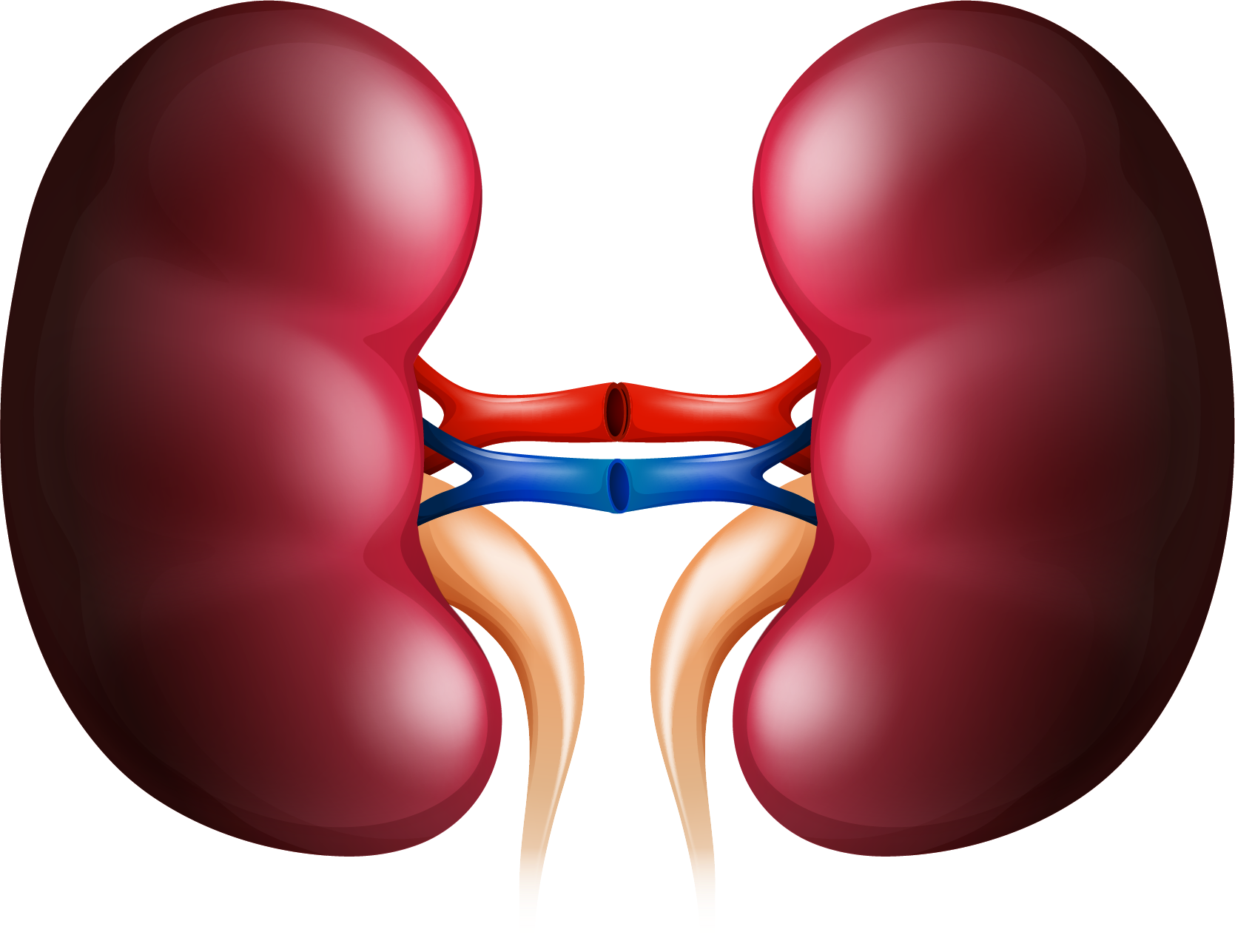
Their location is under the rib cage. Their function is to eliminate unnecessary and excessive fluids from your body, regulate the electrolyte levels, produce more red blood cells, regulate your body pressure as well as keep your bones healthy and strong.

In case of their endangerment or if they are impeded, entire health is at risk. That is the reason why it is highly important to learn distinguishing the signs that the body gives you that indicate kidney damage and failure:

Urination Changes – the most common early symptoms of kidney damage:

  • trouble urinating;

  • urine’s color is pale, often need for urination and in large amounts;

  • foamy urine;

  • urine’s color is dark, reduced need for urinating or reduced amount or urine;

  • often urges for urinating at night; pressure during urinating.
Swellings

If case of a kidneys’ function damaging, the body cannot release excess fluids and this leads bloating of the face, joints and limbs as well as to swellings.

Metallic Taste In The Mouth 

Because of the waste deposits in the blood, you can have a bad breath or a changed taste in the mouth. If the kidney is severely damaged you can experience big change in the taste of some foods or a low appetite.

Fatigue

 If the kidneys are at a good health, they will produce EPO (erythropoietin), that is, a hormone that is responsible for producing red blood cells which supply the oxygen needed for the body. If the red blood cells are lowered, you start to experience fatigue, brain and muscles damage. This is also a common sign of severe anemia.

Pain 

Another very known sign of kidney damage or failure is an upper back pain, just where the kidneys are, and this pain can be as well accompanied by kidney infections or stones.

Shortness of Breath 

 The damage of the kidneys can as well lead to shortness of breath due to the fact that the body is deficient of oxygen, because of the lowered number of red blood cells that deliver oxygen throughout all of the body. Their number is lowered due to the accumulated toxins in the lungs.

Bad Concentration and Dizzines 

 If there is deficient oxygen in the brain it can lead to severe anemia or kidney failure, which furthermore leads to poor concentration and focus, dizziness or memory issues or light – headedness.

Skin Rashes 

The deposits that are waste can as well lead to kidney failure, and therefore the skin may be itchy and covered with rashes. As the waste gets accumulated in the blood, it leads to unhealthy appearance of the skin, making it look irritated and dry. This can be betters a little by using lotions or creams, but the real problem is internal and shall be treated in such a way.

Bearing all of this in mind, it is highly important to take a proper and cautious care of the kidneys’ health and consume high-antioxidant foods, supplements and a proper amount of water. This will help the functioning of the kidneys, prevent any complications of this kind, and maintain a good overall health.

Moreover, it is very important to consult your doctor for treating these issues if you experience these symptoms.

10 Ways to Control High Blood Pressure

1. Lose Extra Pounds

2. Exercise Regularly

3. Reduce Sodium Intake

4. Practice Deep Breathing

5. Quit Smoking

6. Limit Alcohol Intake

7. Reduce Stress

8. Follow the DASH Diet

9. Have More Potassium and Magnesium

Belly fat

Belly fat, particularly visceral fat is very unhealthy and harmful.

Having an excess of it increases your risk of heart disease, type 2 diabetes, and breast cancer.

1. Clean Up Your Diet

2. Give Up Added Sugar

3. Cut Back on Carbs

4. Eat More Fiber-Rich Foods

5. Drink Green Tea

6. Do Cardio (Aerobic) Exercise Regularly

7. Do Weight Training Exercises

Signs you’re not drinking enough water

1. Dry skin that doesn’t improve with lotion

2. Dry, sticky mouth and excessive thirst

3. You’re dealing with a headache

4. You’re tired all the time

5. You’re gaining weight

6. You’re coping with constipation

7. You’ve had a urinary tract infection

8. You feel irritable and moody

9. You’re having muscle cramps

Female Athletes

Women who regularly participate in resistance training activities can improve their health, reduce their risk of degenerative diseases (e.g., osteoporosis) and their injury rates, and enhance their overall sporting performance. evidence clearly indicates that women are capable of tolerating and adapting to the stresses of resistance exercise.

Women athletes

One thing that should be mentioned at this point is that many women will shy away from lifting weights, particularly more than 5-10 pounds, simply because they believe doing so will cause them to develop large amounts of muscle. This is an unfortunate misconception because females do not have high enough testosterone levels naturally to develop the same amount of musculature as males.

building muscle

Not Lifting Enough Weight

During your weight-lifting workouts, if you are lifting the incorrect total weight – whether it is too little or too much – can impede your goal of building muscle. For this reason, it is important to determine the correct amount of weight to lift for each exercise in your routine.

For a beginner, 5-pound dumbbells are great. But with time, you need to bump up the weight, irrespective of whether you are using exercise machines or free weights.

To build muscle, you must break down muscle tissue using weight. The weight should be enough to cause micro-tears, which when repaired help build muscles.

Also, keep in mind that it is not just about lifting, it is also about lifting safely and correctly. If you’re not performing exercises properly, you will not get the results you desire.

protein

Even if you are doing your workouts properly, not eating the recommended amount of protein can make it difficult for you to build muscles.

Protein is the fuel for your muscles. In fact, muscle weakness or pain is a sign that your diet lacks the recommended amount of protein.

Your body breaks down protein-rich tissues for your muscles to use them.

Also, protein helps your body absorb other vital nutrients, such as iron and calcium, which are important for overall muscle health.

Some good sources of protein are dairy, beef, whey protein, poultry, seeds, fish and eggs.