

Limit Alcohol Intake If your goal is to perform at peak levels

Limit Alcohol Intake If your goal is to perform at peak levels, be aware that alcohol consumption will limit your progress. The data are quite clear that alcohol, a central nervous system depressant, diminishes athletic performance not only within hours but also within days of consumption. Alcohol also increases appetite and caloric intake, both of which are detrimental to losing body fat. There is a broad misconception that calories from alcohol are not recognized by the body and so don’t count. This is false. The calories are absolutely recognized by the body and metabolized.

Just like protein, carbohydrate, and fat, alcohol calories are stored as fat when caloric consumption is above caloric needs. Current research shows that alcohol calories add to all of the other calories that you eat in the day, yet they are considered “empty” calories because they provide virtually no nutrients. Alcohol calories are also burned preferentially to the other macronutrients, so on an evening out drinking and eating you are most likely to burn your alcohol calories and store the rest of your calories as fat. And because alcohol lowers your inhibitions, when you drink and eat, all of your best intentions go out the window. While few people drink alcohol before training, it is not an uncommon practice after training. But when you consume alcohol after training, carbohydrate metabolism is altered, so recovery is not as rapid.

Endocrine function and sleep are disturbed, further disrupting recovery. If you expect to perform at high levels within a day or two of your last bout of exercise, ideally don’t drink at all, or don’t drink more than one or two alcoholic beverages between bouts. Alcohol consumed before or with meals tends to increase food intake both by lowering inhibitions and enhancing the short-term rewarding effects of food. It is true that moderate alcohol intake may protect against obesity, particularly in women; however, increased alcohol consumption and dependence, as well as binge drinking, may increase risks of obesity. Most likely, you want to avoid obesity and stay as lean as possible. Except on special occasions, alcohol has no regular place in the diet of someone trying to achieve physique and performance goals.

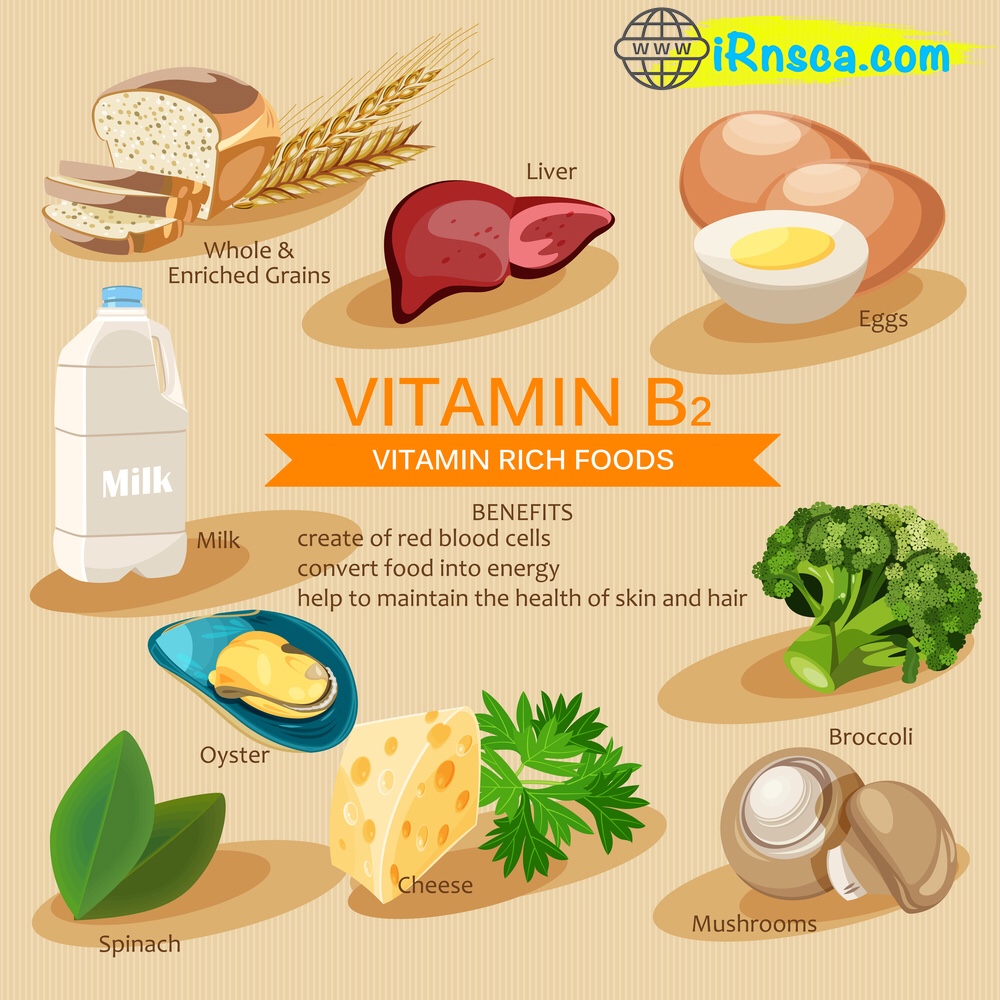
Vitamin b2
Benefits:
•Create of red blood cells
•Convert food into energy
•Help to maintain the health of skin and hair
Vitamin rich foods:
•Liver
•Eggs
•Whole & enriched Grains
•Milk
•Broccoli
•Mushrooms
•Cheese
•Oyster
•Spinach
Omega-3
 Omega-3 Fatty Acids and Brain Health Treatment of depression, anxiety, and stress with omega-3 fatty acids is garnering a lot of attention in medical circles. About 60 percent of the brain is composed of fat, and the primary fat in the brain is omega-3 fat. When omega-3 fat is in short supply in the diet, other fat gets involved in brain building, and as a result, the health of brain cells is impaired. The membrane of each brain cell, for example, becomes rigid, and it takes longer for electrical impulses to travel from one cell to another. This means that messages are not being carried rapidly from brain cell to brain cell. Consequently, you don’t think clearly, and your memory may become foggy. Depression and anxiety can also set in. Increasing levels of omega-3 fat in the diet has been shown to alleviate these problems.

There is an important ratio of omega-6 to omega-3 fats in the diet that also helps to limit inflammatory processes. In recent years, scientists have discovered that the development of many diseases is influenced by chronic inflammation in the body. Inflammation is an essential part of the body’s healing process, brought on when the immune system tries to battle disease-causing germs and repair injured tissue. When that battle is over, the army of inflammation-triggering substances is supposed to withdraw, but in many cases it does not. Chronic inflammation is the result, and it has been implicated in heart disease, diabetes, arthritis, multiple sclerosis, cancer, and even Alzheimer’s disease. Omega-3 fat appears to halt chronic inflammation. Omega-6 fat is pro-inflammatory, whereas omega-3 fat is anti-inflammatory. However, omega-6 fat is far more abundant in our food supply. So it takes planning and effort and good choices to create a healthy ratio of omega-6 to omega-3 fat. Although the average American diet reflects a ratio of 20:1, a more ideal ratio is 2:1 to 4:1. The fat cells in your body create their own inflammatory processes—which is yet another reason to stay lean. In fact, overweight people show symptoms of chronic, lowgrade inflammation, perhaps indicating early atherosclerosis, according to research.

A study conducted by researchers at the Free University in Amsterdam and scientists at the National Institute on Aging in Bethesda, Maryland, found overweight people to be far more likely than lean ones to have excess concentrations of C-reactive protein (CRP) in their blood—a marker of inflammation. In fact, it is possible that chronic systemic inflammation precedes overweight and obesity due to poor lifestyle choices. As mentioned above, fat tissue is not benign. It is considered to be its own endocrine organ, pumping out hormones that create inflammatory markers that help sustain and create more fat tissue and keep inflammation chugging along. These compounds also contribute to increased risk of all the chronic diseases noted above. So if you are overweight, losing weight is the first step toward protecting your health.

Vitamin C
 Vitamin C, or ascorbic acid, is a nutrient that can be synthesized by many animals but not by humans. It’s an essential com- ponent of our diets and functions primarily in the formation of connective tissue such as collagen. Vitamin C is also involved in immunity, wound healing, and allergic responses. As an antioxidant, vitamin C keeps free radicals from destroying the outermost layers of cells. When paired with a plant-based iron source, vitamin C enhances the absorption of this hard- to-absorb form of nonheme iron. Adding lemon juice to your spinach can give a better boost to your iron stores.

If you work out regularly or train for ath- letic competition, you know that a cold or respiratory infection can sideline you pretty fast. Fortunately, researchers have found that supplementing with 500 milligrams daily of vitamin C appears to cut the risk of upper respiratory tract infections. This benefit may be due to the antioxidant effect of vitamin C or to its overall immune-boosting capability.
Supplementing with vitamin C will improve your performance but only if you are deficient in this nutrient. Supplementation does not enhance performance if you already eat a healthy, nourishing diet that is high in citrus fruits (which are high in vitamin C) and other fruits and vegetables. In fact, a review of 12 studies showed that in 4 of those studies, daily doses of 1 gram (1000 mg) of vitamin C may lead to decrements in performance. The conclusion of the authors was that consuming vitamin C at levels that are naturally found in foods every day (250 mg) is best for supporting training effects and athletic performance.

My recommendation is that you should first and foremost make plant foods, which are often naturally high in vitamin C, the mainstay of your diet, ensuring a vitamin C–rich diet. During cold and flu season you might experiment with supplementation if you don’t consume at least 500 milligrams of vitamin C in food alone. If you choose to supplement, stay below 1 gram (1000 mg) daily in food and supplements.

HMB

Effects of HMB Supplementation
Nissen et al conducted one of the first studies addressing the effects of oral supplementation with different doses of HMB. Individuals were supplemented with 0, 0.5, and 3.0 g/day of HMB in conjunction with a resistance training program for 3 weeks. In the first 2 weeks urinary excretion of 3-methyl-histidine was decreased, indicating an attenuation of muscle proteolysis, and at the end of the protocol the muscle damage indicators—CK and lactate dehydrogenase (LDH) activities—were lower in the supplemented group. A significant increase in fat-free mass and strength was reported when 3.0 g/day of HMB was supplemented in association with resistance training for 7 weeks. However, controversial results have been reported in studies with humans assessing the effects of oral supplementation of HMB in tandem with resistance training . In previously untrained individuals, HMB supplementation (3.0 g HMB per day) during a resistance training program did not change the body composition, muscular strength levels, and biochemical markers of protein turnover and muscle damage, increased muscle mass or potentiated the strength gain and fat-free mass gain in elderly subjects. In addition, in athletes highly conditioned to resistance training, HMB was unable to promote gains in strength and fat-free mass in water polo, rowing, or football athletes and did not elicit attenuation of muscle damage markers (Creatine Kinase [CPK] and LDH) and gains in speed.

In untrained individuals oral supplementation of HMB in association with resistance training may elicit gains in strength and muscle mass because these effects appear to be more prominent among those who are in the initial phase of training. Untrained individuals submitted to a resistance training program exhibit lower levels of muscle damage markers when supplemented with 3.0 g/day of HMB. If HMB reduces the muscle protein catabolism associated with exercise, resistance-trained athletes may not respond to HMB supplementation in the same manner as untrained individuals, due to training-induced suppression of protein breakdown. To confirm the anticatabolic properties of HMB, further research using more precise techniques is required because most studies addressing this issue have used the urinary excretion of 3-methyl-histidine as an indicator of muscle catabolism, and this technique has been criticized.
It has been demonstrated that ingestion of 3.0 g/day of HMB increases its plasma levels and promotes gains in fat-free mass and peak isometric torque during a resistance training program. Greater amounts of HMB (6.0 g/day) did not elicit the same effect. Furthermore, 8 weeks of HMB supplementation (up to 76 mg/kg/day) appears to be safe and does not alter or adversely affect hematological parameters and hepatic and renal function in young male adults.

Mechanisms of Action
Based on studies evaluating the mechanisms of action of HMB, it is postulated that such supplementation could involve the following mechanisms:
(1) increased sarcolemmal integrity
(2) increased metabolic efficiency
(3) upregulation of IGF-1 expression in liver and skeletal muscle
(4) stimulation of protein synthesis by increasing the mTOR signaling pathway, and
(5) suppression of proteolysis by the inhibition of the ubiquitin-proteasome system.
The protective effect of HMB against contractile activity–induced damage may be associated to increased stability of muscle plasma membrane. HMB is converted to b-methylglutaryl-CoA (HMG-CoA) for cholesterol synthesis, and inhibition of HMG-CoA reductase affect the electrical properties of cell membrane in skeletal muscle. In addition, HMB supplementation may also promote an increase in acetyl-CoA content through the conversion of HMG-CoA into acetoacetyl-CoA by HMG-CoA synthase in mitochondria, increasing metabolic efficiency. HMB supplementation has also been reported to stimulate lipolysis in adipose tissue and increase fatty acid oxidation capacity of skeletal muscles. One other mechanism underlying the effects of HMB supplementation is the increased expression of IGF-1 expression in liver and skeletal muscles. Kornasio et al. demonstrated in vitro that HMB could stimulate IGF-1 expression, as well myogenic regulatory factors and thymidine incorporation (an indicator of DNA synthesis). Later Gerlinger-Romero et al. demonstrated that supplementation with HMB promoted an increased GH and IGF-1 expression in pituitary and liver, respectively. In vivo and in vitro animal data also pointed to a possible role of HMB in stimulation of mTOR signaling pathway and inhibition of ubiquitin-proteasome system, a proteolytic system involved in skeletal muscle atrophy. More studies are needed to determine whether the actions of HMB on protein synthesis and degradation signaling pathways are direct or mediated by an increased expression of IGF-1, as well to determine the molecular basis of HMB supplementation in humans.

Conclusions
In the recent years, the growing interest in HMB supplementation has arisen from previous demonstrations of its effects on fat-free mass and strength gains in combination with resistance exercise, its anticatabolic properties, and speculations related to the mechanisms of action involved. Most studies have used 3 g/day of HMB, grounded in evidence that this dose produces better results than 1.5 g/day and is equivalent to 6 g/day. If in untrained individuals HMB supplementation appears to act as an effective ergogenic, in well-trained individuals and athletes the positive effects of HMB are less clear. The physiological mechanisms involved increased sarcolemmal integrity and metabolic efficiency, stimulation of GH–IGF-1 axis, stimulation of protein synthesis, and suppression of proteolysis. Although some of these mechanisms were demonstrated in animal and in vitro studies, human studies are needed and could provide new insights into the mechanisms underlying the effects of supplementation.
