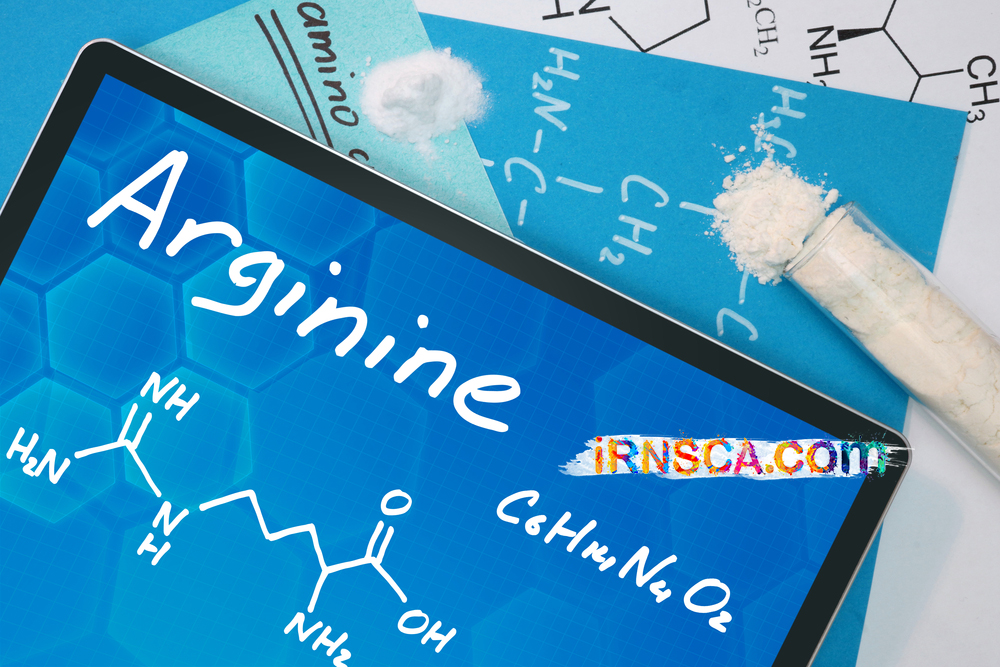
L-Arginine Supplements Guide

What is L-Arginine?

L-Arginine is the supplemental version of arginine; that amazing amino acid you just read a little bit about. Arginine can be found naturally in foods high in protein, such as meat, nuts, fish, and soybeans.

It is also naturally produced within the human body. L-Arginine offers the samebenefits as arginine, it is just the concentrated supplemental version. There are twenty different versions of Arginine, and the “L” version is the one that is used for supplements, and is the only one that should be used as a supplement, because it is the “free form” version.

This amino acid was first isolated from a lupine seedling in 1886. It was discovered to trigger protein building within the human body. Because of this, L-Arginine has been studied as a supplement for bodybuilding, healing wounds, enhancing sperm production, and reducing bodily tissue waste. It has also been studied for cardiovascular disease treatment and prevention.

L-Arginine helps the endothelial cells produce nitric oxide, which is necessary for maintaining healthy blood circulation. The endothelial cells are in the lining of all the blood vessels in your body. Nitric oxide is a gas that is a byproduct of L-Arginine and produced by both plants and animals. Understanding what nitric oxide does helps you to understand the benefits of L-Arginine, because arginine (or L-Arginine) is necessary for nitric oxide production.

What Are L-Arginine Supplements?

L-arginine supplements are exactly what they imply. They supplement your diet with arginine in the form of L-Arginine, one of the twenty different types of this key amino acid. The average American diet consists of around 5 g of arginine, usually derived from not-so-healthy red meat. Better natural sources for your health includes fish, tofu, and nuts.

The issue is that it is recommended for your health to consume 6 to 9 g of L-Arginine daily. In order to consume this much, you would have to eat 2.5 pounds of tofu, or a half pound of tuna! Top arginine supplements allow a person to obtain the recommended amount, without eating large amounts of red meat, or eating large amounts of other protein sources.
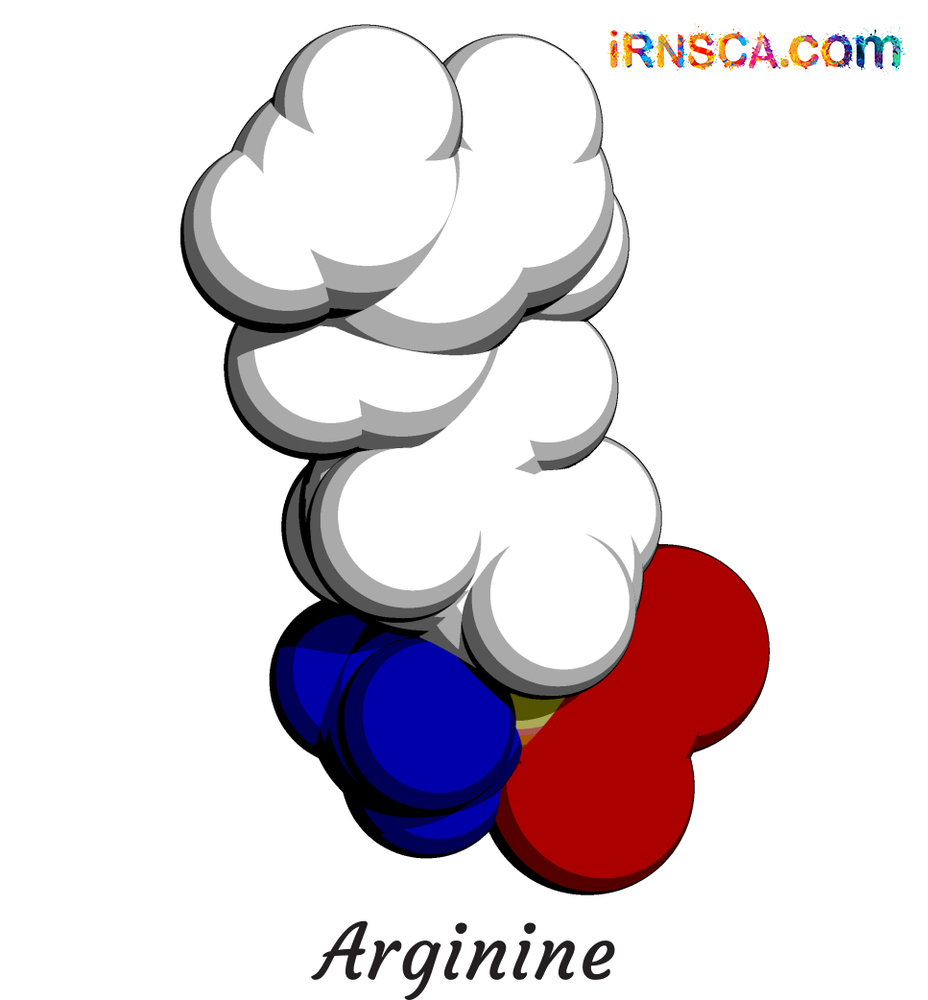
Benefits of L-Arginine

According to WebMD, arginine, which is also known as L-arginine, is involved in a different functions in your body. WebMD also lists a few other benefits and also some concerns.

L-Arginine also plays a role in the function of the immune system, and this is because it not only stimulates protein production, but is also required for the production of white blood cells. This means that L-Arginine can be used to help people recover from illness and cancer treatments, which take a huge toll on the immune system.

Besides surgical recovery, it is commonly taken to prevent colds and prevent and treat infections. The combination of protein production stimulation and white blood cell production stimulation makes the best arginine supplements powerful recovery tools.

Arginine supplements are also used to increase production of human growth hormones in the body. These hormones include amino acids (including creatine, L-proline, and L-glutamine) and prolactin. It improves metabolic health by allowing more glucose to enter the cells, which means it helps the body burn fat. It also improves muscle strength.

Because arginine helps to increase human growth hormones, it has profoundly positive effects on the metabolism, and skeletal-muscular system.

Studies have also been conducted on L-Arginine’s impact on type II diabetes. In one study, it was discovered that L-Arginine “evoked large increases in insulin secretion from the pancreas of diabetic rat.” This suggests that it could have the same effect on humans, because rats can be from 85% to 99% genetically identical to humans. Currently, the evidence suggests that L-Arginine may stimulate insulin production.

Who May Benefit from L-Arginine?

* Athletes and fitness enthusiasts – L-Arginine supplements are a favorite in the athletic community because of the nitric oxide it creates in the body. Nitric oxide has been shown to reduce muscle fatigue, improve endurance levels, increase energy, speed up recovery rates, and increased use of glucose (which means burning body fat). On top of all of these naturally enhancing health benefits, L-Arginine has been shown to trigger the production of proteins in the body. It also has been shown to increase lean muscle mass. So, arginine benefits help you burn fat, build muscle, and improve performance.

* Stress – When combined with L-lysine, L-Arginine was shown to reduce symptoms of anxiety. It may reduce symptoms of anxiety alone as well, but more research must be done to confirm this. Its ability to reduce high blood pressure and open red blood cells indicates that it has stress-relieving properties.

* Sufferers of heart and blood vessel conditions – Congestive heart failure (CHF), chest pain, coronary artery disease, and leg pain due to blocked arteries are all examples of conditions that can be aided through L-Arginine supplementation. The nitric oxide that L-Arginine helps create in the body helps to improve blood circulation and relax blood vessels.

* Aging individuals – Aging individuals can greatly benefit from L-arginine because of the nitric oxide that it is capable of creating through the endothelial cells. Endothelial cells are the linings of our arteries and our blood vessels, and these cells need arginine in order to create enough nitric oxide to maintain healthy blood circulation. Research suggests that our ability to produce nitric oxide decreases as we age, and taking arginine supplements can possibly counteract that.

* Migraine sufferers – Migraines are a neurovascular disorder, and L-Arginine improves vascular health. To translate, this means that migraines are partially caused by constricting blood vessels, and L-Arginine helps dilate blood vessels. This means that for some migraine sufferers, L-Arginine could be beneficial in reducing symptoms.

* Vegans and vegetarians – Sometimes it is hard with a vegan diet to ensure that you are eating enough dietary protein. An L-Arginine supplement can help ensurethat your body is getting enough amino acids, which are the building blocks of proteins.

Are There Any Side Effects?

The side effects of an L-Arginine supplement occurs when there is a large dose taken at once, or when it interacts with preexisting conditions or pharmaceutical drugs. Some of the preexisting conditions that L-Arginine may worsen include allergies and asthma, herpes, cirrhosis, and low blood pressure.

L-Arginine should not be given to children without speaking to a doctor first. It may increase the risk of death from a heart attack in aging individuals. More than a dose of 10 g can cause diarrhea and gas.

What Interacts with L-Arginine?

L-Arginine can interact with pharmaceutical drugs, and here are some that should not be taken in conjunction with L-Arginine supplements:

* Antihypertensive drugs

* Nitroglycerine isosorbide (increases blood flow to the heart)

* Viagra

* High blood pressure medications

People who have high levels of arginine in their bodies should avoid supplementing themselves with more L-Arginine.

How to Take L-Arginine

Safe methods of taking L-Arginine supplements include taking it by mouth, shot, or application to the skin. The most common way to supplement is by mouth, in the form of an L-Arginine capsule, pill or powder.

Arginine supplements do not have to be consumed with food, but they may be better absorbed with food. Powders are more easily assimilated in the digestive system than pills.

What to Look for in a Good Arginine Product

* Company reputation – It is important that you are purchasing your supplements from a trustworthy and established company. Sometimes established means that they have been in the industry for more than twenty years, but sometimes it means that they are certified manufacturing facilities that have been government tested. A great way to make sure that the company is trustworthy is to look for a cGMP certification, meaning that they have current Good Manufacturing Practices. Ultimately, make sure that you research the company before you make a purchase.

* Amount of L-Arginine per serving – In the world of supplements, you have to make sure you are getting the most bang for your buck. Knowing the effective doses of the particular supplement you are looking for is crucial. For L-Arginine, anything less than 5 g in a day may not be effective. It also depends on your purpose for supplementing.

* Additives and Preservatives – some L-Arginine supplements contain additives, fillers, and preservatives. This is not always a drawback, because in some cases they are there to help the body absorb the L-Arginine. In other cases, it is just there to take up space. Would you rather pay for the best arginine supplements, or primarily fillers?

* Tested Ingredients – Some supplements use agmatine instead of L-Arginine. Agmatine is a chemical derivative of L-Arginine that acts as a neurotransmitter. It is good to look into how much research has been conducted on the ingredients in your supplements.

* Added vitamins and amino acids – This is mostly a personal preference. Some L-Arginine supplements contain additional vitamins and amino acids which compliment and enhance the benefits of arginine supplements. If there is still a sufficient dose of L-Arginine in the supplement, then this can be a major benefit! If you are looking for pure L-Arginine, then steer clear of longer ingredients lists.

* Assimilation – Assimilation refers to how well the body can absorb a supplement. Generally speaking, a powder that is mixed in water is more easily assimilated than a pill.

Regular exercise adds up to big memory boosts

It’s well known that regular exercise helps maintain brain function. New research finds that brain activity increases and memory improves immediately after even a short, single bout of exercise.

And the more exertion you put into that exercise, the greater the improvements. In addition, whatever level of exertion you’re able to achieve on that single exercise predicts how much brain boost you’ll get if you continue to exercise at the same intensity over a longer term. These findings were presented at the Cognitive Neuroscience Society’s annual meeting on March 24, 2019. Researchers recruited 34 people, average age 67, and gave each a baseline functional MRI (fMRI) scan, which reflects brain activity, and a memory test in which they had to remember faces. The researchers then asked the participants to exercise for 20 minutes on a stationary bike that could measure their physical effort.

They then repeated the fMRI scans and memory tests. The participants were divided into two groups based on their exertion level — either moderate intensity or lower intensity. Both groups otherwise had a similar stationary bike program: 50 minutes of exercise, three times per week, for three months. The fMRI scans and memory tests were repeated at the end of the three months. People in both groups improved their cardio fitness.

The researchers found that the people who continued to perform at the moderate-intensity level had higher brain test scores at the end compared with those who stayed at the lower intensity for the three months.

The possible link between level of exertion and cognitive boost during any one bout of exercise and how it might predict persistent brain improvements later on is intriguing. But even if you begin at a lower exercise intensity level, increasing your physical effort over time and then maintaining it consistently could lead to positive brain effects.

almonds

When you’re trying to get lean, there is no reason to fear the fat in nuts like almonds. An investigation published in The Journal of Nutrition randomly assigned 86 adults to one of two calorie-controlled diets: an almond-enriched diet (15 percent energy from almonds) or a nut-free diet with the same number of calories. After a three-month period, those who crunched on almonds daily experienced greater losses in body fat and visceral adipose tissue — a particularly dangerous form of intra-abdominal body fat. Similar fat-loss benefits have also been shown with frequent walnut consumption. Nuts are bundles of unsaturated fats, protein, fiber, antioxidants, vitamins and minerals that likely work together to burn chub. Also of importance in the battle of the bulge is the recent evidence that the fat in nuts is located inside cells that appear to resist complete breakdown during digestion. So some of the fatty calories in nuts remain in the cells and, in turn, are not available to be stored by our bodies. This explains why the calorie count of nuts is actually lower than what you would read on food labels. A handful of nuts makes a satisfying snack option, or add them more often to salads, oatmeal, yogurt and even protein shakes.

Best Types of Supplements for Endurance & Stamina

Helpful Supplements that Help Endurance

Beetroot Powder

The secret to being successful at long-distance endurance events is the ability to keep going, even when you just want to quit. Beetroot powder, basically powdered beets, can give you the push you need to finish those last few miles.

A 2013 study in the Journal of Applied Physiology evaluated the impact of beetroot on exercise. Ten subjects were given beetroot or a placebo two hours before a bout of high intensity exercise. Those who received the beetroot, showed a significantly improved physiological response to the exercise.

This meant that their bodies responded more effectively, allowing for better performance, and the exercise felt easier after taking the powder. These subjects were also able to exercise 14% longer than the placebo group. The reason is that beets increase nitric oxide in the body, which helps the body use oxygen more efficiently.

Not only are beets awesome during your workout, they can also promote faster recovery. A 2016 study gave 30 active men varying doses of beet juice or a placebo for 48 hours after completing a high intensity jumping exercise. Researchers measured inflammation levels and muscle recovery for 72 hours after the workout.

Those who received the beet juice were found to have less inflammation, faster muscle recovery, and reported less muscle soreness compared to the placebo group. Beets are really your best friend when it comes to increasing performance and speeding up recovery.

How to Take Beetroot

Beetroot usually comes in a powdered form and it can be easily added into your pre- or post-workout shake. There isn’t a specific recommended dosage for it.

For an added benefit, you can add beets into your diet. They taste amazing roasted or in salad. You can also find freeze dried beets, which are a bit sweet and similar to potato chips in texture, and use them as a pre-workout snack. Be careful eating beets can cause your pee to turn bright red, which can be scary if you don’t remember you ate them.

Whey Protein

Protein supplements are not just for bodybuilders, they are also incredibly important for endurance athletes too. After about two hours of exercise, the body runs out of carbohydrates to use and starts to use protein to help meet its energy needs and help you keep going.

If you are not fueling properly, then this can lead to muscle loss, which will make it very challenging to keep participating in any exercise. When the muscles start to be used up for energy, this can also cause ammonia build-up and lead to extreme fatigue.

Getting enough protein can help counteract some of the muscle wasting that might occur with intense endurance exercise. Whey protein, one of the two proteins found in milk, outperforms every other type of protein for muscle building and recovery. Whey is ideal because it contains all nine essential amino acids and is easily absorbed.

As I mentioned, endurance exercise stimulates protein breakdown, which increases overall protein needs for athletes. The muscles tend to primarily burn branch-chain amino acids (BCAAs) when they are in need of increased fuel. One way to prevent muscle breakdown, is to consume enough carbohydrates during your even so that the body does not need to go to the muscles for energy. But, another way is to consume carbohydrates with protein, particularly one high in BCAAs, like whey protein, which is high in leucine.

For endurance athletes trying to increase lean body mass or slim down, whey protein can help. The addition of whey to your overall diet can promote weight loss, increase lean body mass, and encourage fat loss. Whey along with a proper diet can help you lean out for an upcoming event.

How to Take Whey Protein

There are three main types of whey protein available: whey concentrate, whey isolate, and whey hydrolysate. Concentrate is the least processed and contains more fat and carbohydrates. It also tastes the best and is the cheapest. If you are lactose intolerant, you should avoid whey concentrate, as it can cause digestive issues.

Whey isolate and hydrolysate are more processed and usually more expensive. Whey hydrolysate is the most beneficial for building muscle as it increases insulin levels after it is consumed. It is probably not ideal for someone trying to lose weight or who has blood sugar issues.

Whey protein should be consumed either before, during, or after a workout. Aim to get 20-30 grams for a great post-workout drink.

Caffeine

Caffeine is one of the most extensively studied substances for exercise performance, particularly for boosting endurance. It makes exercise easier, delays fatigue, and increases overall performance. A little caffeine can also give you the boost of energy you need to start training on those days when you are just too tired.

A 2012 study evaluated the use of caffeine and the cycling performance of male athletes. Participants took either a placebo, 3mg/kg, or 6 mg/kg of caffeine 90 minutes prior to a 60 minute cycling workout. Exercise performance was significantly improved in both groups that received the caffeine supplement. There was no difference between the caffeine groups. This research indicates that there is a certain limit to how much caffeine will boost performance, so more is not better.

How to Take Caffeine

The tolerance level for caffeine can vary from person to person. Some people can drink coffee right before bed and sleep like a baby, whereas others get jittery and anxious with just a small amount. If you want to try caffeine to improve your endurance training, you want to start slowly and be aware of your individual tolerance.

The recommended dose is 150-300 mg about 30-60 minutes before your workout as it takes about an hour for the effect to kick in. A cup of coffee has about 100 mg, so this would be the equivalent of 2-3 cups. As you can see the above study, more is not better with caffeine. Taking too much can increase your heart rate, make you feel jittery, and impact your performance.

Beta-Alanine

Beta-alanine is an amino acid known to improve performance and delay fatigue during high-intensity exercise. It works helping the body manage hydrogen ions that are created during exercise. When these are allowed to build up, they lower muscle pH, which leads to early fatigue.

Beta-alanine helps boost carnosine content in the muscles, a compound needed to neutralize the ions. Supplementation with 2-6 mg of beta-alanine increases carnosine concentrations by 20-80%. Oddly enough, a carnosine supplement alone will not increase carnosine in the muscles as it is broken down into other substances first. Only beta-alanine can increase carnosine in muscles.

A 2009 study evaluated the impact of beta-alanine on overall muscle carnosine content during a sprint cycling activity. The subjects first performed a 110 minute cycling trial followed by a 30 second sprint. Blood lactate and pH was measured during the activity. Cyclists who had received the beta-alanine increased peak power by 11.4%. Blood lactate and pH levels were the same between the experimental and placebo group.

How to Take Beta-alanine

Beta-alanine is most effective when taken regularly, not just before you work out. Regular supplementation is needed to keep carnosine levels up. The recommended dose for beta-alanine is 3-6 grams per day. It can cause a tingling or numbness in the skin, if that happens you may want to split up your dosage throughout the day.

L-Glutamine

Glutamine is a common non-essential amino acid, meaning your body can make it on its own. But, your body’s ability to make enough glutamine may be affected during times of physical stress, for example during periods of intense training. Low levels of glutamine in the body can promote inflammation, increase risk of illness, and muscle breakdown, the last thing an endurance athlete needs.

A survey of over 200 endurance athletes found that 81% of those who took glutamine supplements reported no illnesses during their training period, compared to 49% in those who did not take glutamine. This means glutamine may be able to mitigate some of the impact that intense training has on the immune system helping athletes stay healthy so they can compete at their best.

How to Take Glutamine

The recommended dose for glutamine is 10-20 grams per day post-workout to promote glutamine repletion. You want to continue to take glutamine daily for at least 5 days after a tough workout session to make sure your levels are replete. Glutamine is also found in bone broth and gelatin, which you can add to your diet for an additional dose.

Creatine Monohydrate

Creatine is a popular supplement in the body building community, but that doesn’t mean it can’t be used for endurance athletes as well. Creatine helps build and maintain muscle, which is beneficial for endurance athletes as well. It may also help increase energy levels during your workout.

A 2003 study gave 20 subjects either 20 grams of creatinine or a placebo during a 5-day loading period, followed by a 6 week maintenance dose of 2 grams. During the loading period, subjects had increased muscle creatine and total creatine. Subjects were asked to perform cycling sprints after the loading period. Those who received the creatine did not have any improved performance, but maintained the increased lean body mass even during the maintenance period, which was not seen in the placebo group.

Another 2012 study found that creatine did improve endurance performance. Fifty-five subjects received either creatine alone, beta-alanine alone, a combination of beta-alanine with creatine, or a placebo for four weeks. Those who received the creatine alone or combined with beta-alanine had a significant increase in energy and endurance performance. So, as you can see creatine is not just for bodybuilders trying to beef up.

How to Take Creatine Monohydrate

Creatine can either be “loaded” to quickly increase the creatine levels in the body with a 20 gram per day dose for the first week or so, followed by a 5 grams per day maintenance dose. But, loading creatine may cause a 2-4 pound weight gain because creatine makes the muscles hold on to water. So, if you are trying to lean out for an upcoming event, it is probably best not to start taking creatine at that time.

Iron

Iron

Iron is needed to help carry oxygen to muscles to keep you moving through your run or swim. It is critical in the formation of hemoglobin and myoglobin, two important proteins in the blood and muscles. Iron deficiency leads to fatigue and poor performance. Endurance athletes, particularly female athletes, are at risk for iron deficiency anemia due to monthly blood losses and prolonged sweating. But, male athletes are at risk as well.

How to Take Iron

Iron supplements should only be taken under a doctor’s supervision and after a blood test to diagnose low iron levels. Endurance athletes should always be checked to be sure their levels are not low. The RDA for men is 8 mg/day and 18 mg/day for women. Your doctor can recommend the ideal dose and type of supplement you need.

The best way to boost your iron is through food. Heme iron, found in animal foods, is better absorbed when compared to non-heme iron in plant foods. Iron-rich foods should always be consumed with a food high in vitamin C, which increases absorption. You should also avoid taking iron with high calcium foods, as they can reduce absorption.

Omega-3 Fats

Omega-3 fats have been extensively researched for their amazing health benefits and ability to reduce inflammation. The three omega-3 fats, EPA, DHA, and ALA, have all been found to be highly anti-inflammatory. EPA and DHA are found primarily in fatty fish, like salmon. ALA is the plant-based omega-3 found in flax and walnuts.

They are incredible for endurance athletes as well. They can lower inflammation caused by prolonged activity, speed up recovery, and also boost performance. A 2015 study of cyclists found that omega-3s were able to boost nitric oxide production improving overall athletic performance. Subjects were given 1.3 grams of omega-3s twice a day for three weeks or a placebo. Those who received the omega-3 had higher nitric oxide levels, improved overall fitness levels, and enhanced performance.

How to take Omega-3s

The active omega-3s are DHA and EPA. ALA must be activated into one of the other omegas and this process is very inefficient, so you want to look for a supplement that provides DHA and EPA.

There are several different options on the market and they vary based on what type of fish they are made from. It is best to look for a fish oil made from smaller fish, like sardines, as it has less chance of contamination from mercury or other heavy metals. Krill oil is another option as it resists oxidation better than other fish oils.

If you are a vegan or vegetarian, you can take algal oil, which is made from the algae the fish eat.

The ideal dose is 3-6 grams per day of total omega 3. You want to look for a supplement that has a 2:1 ratio of EPA to DHA.

L-Carnitine

L-carnitine is a substance found in all species that helps with energy metabolism. It can help improve athletic performance by boosting oxygen consumption and increasing power. It has also been shown to reduce muscle injury after strenuous workouts, reduce cell damage, and neutralize free radicals.

It can also help prolong fatigue. A 2014 study evaluated the impact of L-carnitine on endurance performance of football players. The 26 players were given either 3 or 4 grams of carnitine or a placebo before a running test. Those who receive the most carnitine were able to increase their running speed while maintaining the same heart rate. This means they were able to exercise longer and harder, than those who did not receive the carnitine supplement.

How to Take L-carnitine

L-carnitine comes in a few different forms. Athletes should choose L-carnitine L-tartrate for improved exercise performance, the ideal dose for that type is 1,000-4,000 mg per day. Propionyl-L-carnitine is best for improving blood flow and blood pressure, the ideal dose is 400-1000 mg per day.

Nutrition for Endurance Athletes

Endurance athletes spend hours and hours a week doing the same continuous activity, which can put a major strain on the body. This means you must pay close attention that you are supporting your body with overall good nutrition.

The first step is to make sure you are getting adequate calories, protein, fat, and carbohydrates to support so much exercise. Supplements can help support better performance and speed up recovery. Dialing in your nutrition, supplements, and training can make sure you make it to the finish line on time.

Most Useful Supplements for High Blood Pressure

High blood pressure (also known as hypertension) is one of the key risk factors for heart disease. The lifetime risk of developing high blood pressure is estimated to be 90% and is predicted to affect 1.56 billion people worldwide by 2025.

Research has shown that maintaining blood pressure within a normal range reduces the risk of cardiovascular complications, both for those with high blood pressure and those with moderately high blood pressure.

Blood Pressure Readings

A blood pressure reading has two numbers. The top number, known as systolic, refers to the amount of pressure in your arteries during the contraction of your heart muscle. The bottom number, called diastolic, refers to your blood pressure when your heart muscle is between beats.

Normal systolic pressure is below 120. A reading of 120-129 is elevated, 130-139 is stage 1 high blood pressure and 140 is stage 2 high blood pressure.

Normal diastolic blood pressure is below 80. However, even if your diastolic number is lower than 80, you can have elevated blood pressure if the systolic reading is 120-129. A reading of 80-89 is stage 1 high blood pressure and 90 or more is stage 2 hypertension.

As there is such a large number of people with high blood pressure, it is not realistic to be able to treat all of them with antihypertensive drugs. International guidelines, therefore, promote dietary and lifestyle interventions to reduce blood pressure levels.

Advice includes reducing salt and alcohol intake, becoming more physically active and eating more fruit and vegetables. Supplementation can also help to enhance the effects of these strategies.

Helpful Supplements for High Blood Pressure

Cocoa

Cocoa extract is comprised of xanthine molecules (theobromine and caffeine) and procyanidins. These contain compounds, including procyanidins, epicatechin and flavanols.

A large number of dietary flavonoids have a beneficial impact on heart health, including antioxidant, anti-inflammatory effects and improving nitric oxide metabolism and endothelial function. A higher intake of these is also associated with a lower risk of heart disease.

A meta-analysis of 20 double-blind, placebo-controlled randomised-controlled studies of 856 people found that cocoa flavonoids had a statistically significant lowering effect on blood pressure, when taken over a period of between 2 and 18 weeks and when between 3.6 and 105g of cocoa products were consumed per day.

How to take cocoa

The standard dose for cocoa flavonoids is 500 – 1,000mg a day, taken with meals. Intake can also be boosted through the consumption of dark chocolate. However, this must be at least 85% cocoa solids to have a beneficial effect.

Omega-3 polyunsaturated fatty acids (PUFAs)

The two major classes of polyunsaturated fatty acids (PUFAs): omega-3 and omega-6 fatty acids. Like all fatty acids, PUFAs are comprised of long chains of carbon atoms with a carboxyl group at one end of the chain and a methyl group at the other. They are different from saturated and monounsaturated fatty acids because they have two or more double bonds between carbons within the fatty acid chain.

A number of different mechanisms have been proposed for the ability of PUFAs to lower blood pressure. This includes decreasing insulin resistance, regulating vascular tone via stimulating the parasympathetic nervous system and suppressing the renin-angiotensin-aldosterone system.

There is a large body of evidence demonstrating the effectiveness of PUFA supplementation in lowering blood pressure. A meta-analysis of 70 randomised controlled studies showed that omega 3 PUFA consumption of between 300mg and 15000mg per day for between 4 and 26 weeks significantly reduced blood pressure. The largest effects were observed in those with untreated high blood pressure levels (those not taking medication). No safety concerns have been found other than mild gastrointestinal discomfort at high doses.

How to take PUFAs

Although lower doses can lower systolic blood pressure, an intake of 2000mg per day of PUFAs is needed to reduce diastolic blood pressure. If you experience any gastrointestinal issues, lower the dose slightly to alleviate these effects.

L-Arginine

L-arginine is a conditionally essential amino acid found in the diet. It is often used by athletes because it produces nitric oxide, via the nitric oxide synthase enzymes, which increases blood flow.

A meta-analysis of 11 double-blind, placebo-controlled randomised controlled trials involving 387 participants showed that a dose of 4 to 24g daily over 2 to 12 weeks significantly lowered systolic and diastolic blood pressure. Results indicated that a 4 week treatment period was sufficient to produce a beneficial effect.

How to take l-arginine

A dose of 6g daily is recommended to reduce blood pressure. Intakes of less than 3g tend not to be effective and over 10g daily is associated with gastrointestinal issues.

Potassium

Potassium is a mineral that is hugely important for heart health. The recommended daily intake is 4700mg.

Doubling intake of potassium is associated with a reduction of between 4 and8mmHg in systolic blood pressure and 2.5 and 4in diastolic blood pressure. Higher potassium intake is also associated with a lower incidence of cardiovascular and cerebrovascular incidents, type 2 diabetes, left ventricular hypertrophy, heart failure and cardiac arrhythmias.

A number of different mechanisms have been proposed for the ability of potassium to lower blood pressure. This includes improved sympathetic nervous system function and increased excretion of sodium in the urine. Potassium must be taken with caution in patients with renal impairment and in those who are taking medications which increase potassium retention.

How to take potassium

Potassium cannot legally be sold in high amounts due to safety concerns. In order to gain the benefits of potassium for reducing blood pressure without any risk of adverse effects, a dose of 500mg daily is recommended. Intake can also be boosted by eating more fruits, vegetables, and beans.

Magnesium

Magnesium is another mineral that is beneficial for reducing blood pressure. It is one of the most common dietary deficiencies after vitamin D. A lack of magnesium is associated with increased blood pressure and poorer insulin sensitivity.

A meta-analysis of randomised controlled trials with between 3 and 24 weeks of follow up has shown that magnesium supplementation is associated with a decrease in systolic blood pressure of between 3 and 4 mmHg and decrease of diastolic blood pressure of approximately 2.5 mmHg. Results are optimised when both potassium and magnesium are taken in those with high blood pressure.

A number of mechanisms have been proposed for the effect of magnesium in lowering blood pressure, including calcium channel blocking, increasing prostaglandin (PG) E and increasing nitric oxide synthesis.

How to take magnesium

The optimal dose of magnesium is between 500mg and 1000 mg per day. It is best to obtain this from a chelated supplement because this improves absorption and has a lower risk of gastrointestinal issues, such as diarrhoea and bloating. However, magnesium supplements should be avoided in patients with severe renal insufficiency.

Intake can also be boosted through food, including nuts and green leafy vegetables.

Vitamin C

Vitamin C is an essential vitamin with antioxidant properties. It has a number of different functions in the body, particularly those relating to the immune system. Deficiencies in vitamin C are a risk factor for high blood pressure.

The level of vitamin C in the blood is inversely correlated with blood pressure.

In a meta-analysis of clinical trials with a 500mg dose of vitamin C over an 8 week period in participants with high blood pressure, systolic blood pressure was reduced by 4.8mmHg but diastolic blood pressure was not reduced. Some studies have also shown that vitamin C supplementation can enhance the effectiveness of antihypertension drugs such as amlodipine.

How to take vitamin C

To obtain the benefits of vitamin C for lowering blood pressure, it is recommended to take 500mg to 1000mg per day. It is not associated with any side effects. Intake can also be boosted by eating more green leafy vegetables, berries and citrus fruits.

Resveratrol

Resveratrol is a polyphenol that is in particularly high amounts in grapes. A number of studies have shown that it is effective in lowering blood pressure in preclinical models. This is thought to be due to its antioxidant effects, its ability to stimulate nitric oxide production, inhibits vascular inflammation and the prevention of platelet aggregation.

One study of 11 participants found that 150mg resveratrol daily reduced systolic blood pressure by 6mmHg and diastolic by 1mmHg. In a meta-analysis of 6 randomised controlled trials of 247 participants, only higher doses (over 150mg daily) were able to significantly reduce systolic blood pressure.

How to take resveratrol

A daily dose of between 150mg and 445mg is recommended to lower blood pressure. Further research is needed to establish the most optimal dose.

Coenzyme Q10

Coenzyme Q10 (also known as ubiquinone) is a potent lipid phase antioxidant, which is particularly high in raw meat and fish. It is a free radical scavenger, reduces oxidative stress; regenerates other vitamins and antioxidants, reduces the oxidation of low-density lipoprotein. It is also a cofactor and coenzyme in mitochondrial oxidative phosphorylation, which lowers blood pressure and is often low in those with high blood pressure.

A meta-analysis of placebo-controlled randomised controlled trials found that treatment with more than 100mg of coenzyme Q10 in participants with systolic blood pressure greater than 140mmHg or a diastolic blood pressure of over 90mmHg taken over 4 weeks, decreased systolic blood pressure by an average of 11 and diastolic blood pressure by an average of 7.

How to take coenzyme Q10

A daily dose of 10 mmHg per day is recommended to lower blood pressure. It is a fat-soluble compound so it is recommended to take it with food for better absorption.

Lycopene

Lycopene is a carotenoid, a natural pigment that gives vegetables and fruits their red color. It is an antioxidant and therefore protects against cell damage.

A recent meta-analysis of randomised controlled trials found that between 10 and 50 mg per day of lycopene significantly reduced systolic blood pressure. This enhanced the blood pressure lowering the effect of antihypertensive medications.

It is often debated whether it is better to take in lycopene through food or via supplementation. Although foods such as tomatoes are high in lycopene, for blood pressure management, rather than for general health purposes, supplementation is recommended.

How to take lycopene

To obtain the benefits of lycopene for lowering blood pressure, it is recommended to take 10mg per day. Intake can be further boosted by consuming lycopene-rich foods, such as tomatoes.

Pycnogenol

Pycnogenol is bark extract of Pinus pinaster (French maritime pine) and is a natural angiotensin-converting-enzyme (ACE) inhibitor. It protects cell membranes from oxidative stress, increases nitric oxide and improves endothelial function, all of which have a beneficial impact on human health. 

Clinical evidence has shown that supplementing with 100 mg Pycnogenol for 12 weeks allowed nearly half of participants to reduce the dose of their blood pressure medication.

How to take pycnogenol

To get the benefits of Pycnogenol for lowering blood pressure, it is recommended to take 100mg per day.

Melatonin

Melatonin is a hormone that is secreted from the pineal gland at night. It acts as a signal of darkness so plays a key role in the physiological regulation of circadian rhythms, including sleep. It is thought to influence blood pressure by protecting blood vessels from oxidation, improving nitric oxide metabolism and endothelial function.

A meta-analysis of double-blind, placebo-controlled randomised controlled trials consisting of 221 people who were taking between 2mg and 5mg of melatonin for between 7 and 90 days reported a significant decrease in both systolic blood pressure and diastolic blood pressure.

As beta-blockers inhibit the body’s natural melatonin secretion, this supplement also improves sleep in people taking this medication for high blood pressure. Melatonin has also been used as an adjunct to the treatment of refractory hypertension (treatment-resistant high blood pressure) with positive results.

How to take melatonin

To obtain the benefits of melatonin it is recommended to take 2mg daily. In order to optimise results, it is best to take a controlled-release rather than a fast-release supplement.

Garlic

Garlic (Allium sativum) is a food product that can improve immunity as well as heart health. It also has anti-aging properties. The molecule alliin is responsible for garlic’s main mechanism.

Garlic enhances the regulation of endothelial nitric oxide, which causes smooth muscle cell relaxation, vasodilation and a reduction in blood pressure. There are a number of dietary and genetic factors which influence these pathways and thus contribute to the development of high blood pressure.

Dry aged garlic is particularly effective for reducing blood pressure as it has ACE inhibition and calcium channel blocking activities. Both of these reduce catecholamine sensitivity, increase bradykinin and nitric oxide, improving arterial functioning.

A recent meta-analysis of nine randomised controlled trials, including 482 individuals treated with aged garlic extract for between 8 and 26 weeks, found that both systolic and diastolic blood pressure were reduced more effectively than by a placebo. The average reduction in systolic blood pressure was 9mmHg and the average reduction in diastolic blood pressure was 4 mmHg. These effects seem to be over and above those obtained through taking blood pressure medications.

How to take garlic

To obtain the benefits of garlic for blood pressure, it is recommended to take 600mg per day. This can be divided into several doses if preferred.  Aged garlic is the preferable form to take, not only for its effectiveness but also because of its lack of scent. Intake can also be boosted with food. However, it is important not to microwave garlic as this destroys its beneficial compounds.

Probiotics

Probiotics

Probiotics contain live microorganisms that have a range of health benefits. The most common are bacteria that belong to groups called Lactobacillus andBifidobacterium.

A meta-analysis of randomised controlled trials found that consuming probiotics moderately reduced blood pressure. Effects were more significant in those with high blood pressure initially, those ingesting multiple strains of probiotics and when taking them for more than 8 weeks.

Another meta-analysis of 14 randomised controlled trials, involving 702 participants, found that, compared with placebo, probiotic fermented milk produced a significant reduction of an average of 3mmHg in systolic blood pressure and 1mmHg in diastolic blood pressure. Similarly to the other meta-analysis, results were also more pronounced in those with higher blood pressure at the start.

How to take probiotics

It is recommended to take at least 10 colony-forming units (CFU) per day in order to reduce blood pressure. Intake can also be boosted by eating foods containing probiotics, such as yogurts.

The Bottom Line

It is clear that there is a range of supplements that can help to reduce high blood pressure, which can have benefits for those who are taking prescription high blood pressure medication and those without.

However, if you are taking prescription medication for high blood pressure, you will want to check with your doctor before using any dietary supplements as there could be interactions.

Supplementation can be used alongside making diet and lifestyle changes. These modifications include increasing your intake of foods high in potassium, calcium and magnesium, such as nuts and leafy green vegetables. Being more physically active can also help to lower blood pressure, particularly increasing cardiovascular exercises, such as walking, swimming and jogging.

This Is What Will Happen When You Eat Bananas Every Day

Bananas are the most popular fruit in the United States. You might be already eating a lot of bananas or you might be someone who is looking for reasons to increase your fruit intake. In any both cases, you need to know these five major banana benefits.

1. Control Blood Pressure

High blood pressure is a silent killer. It can lead to heart disease, stroke, kidney failure and brain disease.

To lower your blood pressure it is recommended to eat more potassium. As a matter of fact, bananas are rich in potassium. One average-size banana has around 12 percent of your daily value of potassium. Even the Harvard School of Public Health recommends eating potassium-rich foods to push your blood pressure down.

2. Appetite Control

Bananas are rich in fiber. An average-sized banana contains up to 12 percent of daily fiber value.

Rich-fiber diet has numerous benefits. It helps to lower cholesterol levels, normalize bowel movements, control blood sugar and helps in achieving healthy weight. Furthermore, fiber slows down digestion. As a result, you feel fuller longer after you eat. If you want to cut calories and lose weight – this is a solution for you.

3. Cancer Prevention

One of another amazing banana benefits is some types of cancer prevention. Research (done by American Institute for Cancer Research) shows that dietary fiber “convincingly” lowers the risk of colorectal cancer. In addition, vitamin C, “probably” lowers the risk of esophageal cancer. A banana contains about 17 percent of daily value of vitamin C. The studies might not be 100% convincing, but eating a banana every day would not hurt.

4. Sport Drink Substitute

If you are looking to substitute your sport drink with something more natural – look no further! Research conduced by Appalachian State University concluded that eating a banana pre- or mid-workout helped to fuel performance as well as sports drinks. Carbs available in bananas can be converted quickly into energy. Furthermore, potassium can help to prevent dehydration.

5. Stronger Bones

Potassium makes bananas a great choice for those who is looking to build stronger bones. Studies show that potassium-rich foods can significantly reduce bone loss. Moreover, bananas can help to prevent osteoporosis.